You’re standing in your garden in October 2026, staring at a sad patch of soil, wondering why your basil plants look more like a science experiment gone wrong than the lush, fragrant herbs you see in those Instagram posts. Maybe you’ve tried growing basil before—only to watch it bolt into flowers faster than a teenager on a sugar rush, or wilt like a forgotten houseplant after two weeks. Or maybe you’re just starting, and the idea of planting seeds, waiting, and hoping for the best feels like gambling with your dinner plans.
Here’s the truth: Basil doesn’t have to be a pain in the arse. You can grow it directly in the ground—no fancy greenhouse, no hydroponic setup, no degree in botany required. But you’ve got to do it right. The UK’s climate isn’t exactly Mediterranean (sorry, no 30°C heatwaves in Manchester), so if you want basil that’s bushy, flavourful, and ready to turn your pesto into something worth bragging about, you need a no-BS, step-by-step plan. One that accounts for British summers, unpredictable rain, and the fact that your garden might double as a football pitch for the neighbourhood kids.
This isn’t just about throwing seeds in the dirt and crossing your fingers. It’s about outsmarting the system. You’ll learn how to pick the right basil for your soil, when to plant it so it doesn’t freeze overnight, and how to keep it from turning into a flower factory before you’ve even had a chance to harvest. Oh, and we’ll tackle that weird question you’ve probably Googled at 2 AM: Can basil actually lower your cortisol? (Spoiler: The answer might surprise you.)
By the end of this, you’ll have a basil patch that’s the envy of your street—whether you’re in a tiny London balcony garden, a sprawling cottage plot in the Cotswolds, or a postage-stamp yard in Birmingham. No fluff. No jargon. Just the raw, unfiltered steps to grow basil like a pro—without wasting your time or money. Let’s get started.
Can You Really Plant Basil Directly in the Ground? (Yes—but Here’s How to Do It Right)
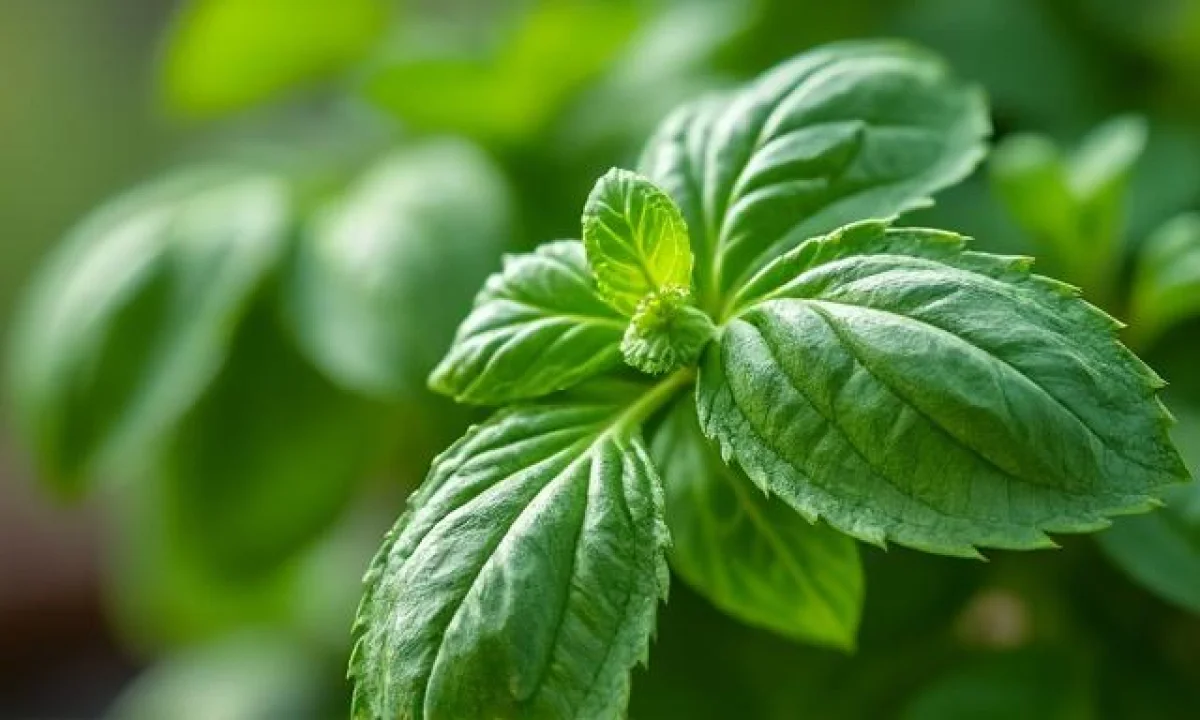
First things first: Yes, you can plant basil directly in the ground. No need for pots, no need for fuss. But here’s the catch—if you screw up the basics, your basil will either drown, bake, or bolt (i.e., turn into a flower-producing maniac before you’ve had a single leaf). The UK’s climate is a mixed bag: wet springs, unpredictable summers, and autumns that sneak up on you like an uninvited guest. So, if you want basil that thrives, you’ve got to play by its rules.
Basil (Ocimum basilicum) is a heat-loving, moisture-sensitive diva. It hates cold, it hates waterlogged roots, and it really hates being neglected. But get these three things right—soil, sun, and timing—and you’ll have basil that’s so good, you’ll be making pesto in July just to show off.
1. The Soil: Why Your Garden Might Be Sabotaging Your Basil (And How to Fix It)
Basil isn’t picky, but it’s not a survivor either. If your soil is more clay than compost, your basil will sulk. If it’s sandy and drains like a sieve, your basil will dry out faster than a pint in a pub on a Friday night. You need well-draining, nutrient-rich soil—think of it like a good mattress: too hard, and you’ll wake up sore; too soft, and you’ll sink.
Here’s what your soil needs to grow basil like a boss:
- pH between 6.0 and 7.0. Test your soil with a cheap kit (£5-£10 from garden centres like Dobbies or Homebase). If it’s too acidic (below 6.0), add lime. If it’s too alkaline (above 7.0), mix in sulphur or peat-free compost.
- At least 30% organic matter. Basil loves compost, well-rotted manure, or leaf mould. If your soil is dense clay, mix in garden compost (£3-£5 per bag) or worm castings (£4-£6 per bag) to loosen it up. Aim for a 1:3 ratio—1 part organic matter to 3 parts existing soil.
- Good drainage. Basil hates wet feet. If your garden floods after heavy rain (common in parts of the UK, especially in low-lying areas like East Anglia or the Thames Valley), raise your beds by 15-20cm or plant in containers with drainage holes. No one wants root rot.
Pro Tip: If you’re in a rented house or flat with a tiny garden, don’t sweat it. A large container (minimum 30cm deep, 40cm wide) works just as well. Just make sure it’s got drainage holes—no one likes soggy basil.
2. The Sun: Why Your Basil Needs More Heat Than a British Summer Can Provide
Basil is a Mediterranean plant, which means it’s used to baking in the sun. The UK? Not so much. If you plant basil in a shady corner, it’ll stretch out like a teenager on a growth spurt, become leggy, and taste like regret. You need at least 6-8 hours of direct sunlight per day—but here’s the kicker: British summers don’t always deliver.
So, how do you fake a Mediterranean climate in October 2026?
- Pick the sunniest spot in your garden. If you’re in a city (London, Bristol, Edinburgh), south-facing is best. If you’re in a rural area, a sheltered spot against a wall (which absorbs and radiates heat) works wonders. Avoid north-facing gardens—they’re basically basil graveyards.
- Use reflective surfaces to amplify heat. White gravel, light-coloured pots, or even a cheap garden mirror (yes, they exist) can bounce extra sunlight onto your plants. Sounds mad, but it works.
- Start seeds indoors (4-6 weeks before last frost). The average last frost date in the UK varies:
- London & Southeast England: Mid-April to early May
- Midlands & East Anglia: Early to mid-May
- North England & Scotland: Late May to early June
- Use cloches or fleece in early summer. Evenings can get chilly, especially in June. A cheap plastic cloche (£2-£5) or fleece cover (£3-£8) will keep your basil cosy without breaking the bank.
If you plant too early, a late frost will kill your basil faster than a frostbite. If you plant too late, you’ll miss the warmest months. Aim for late May to early June for most of the UK.
Reality Check: If you’re in a particularly damp or cloudy area (looking at you, Northwest England and Wales), basil might still struggle. In that case, grow it in containers and move it around to follow the sun like a sunbathing lizard.
Basil Bolting: How to Stop Your Plants Turning Into Flowers (And Ruining Your Harvest)
Here’s the worst part about growing basil: it bolts. One day, you’ve got a lush, leafy plant. The next, it’s shooting up tall stems with tiny white flowers, and the leaves taste like bitter disappointment. Bolting = game over. Your basil’s now more interested in reproducing than feeding you.
Why does it happen? Three main reasons:
- Too much heat. Basil loves warmth, but consistently above 27°C (80°F) stresses it out. In the UK, this usually happens in heatwaves (like the 2018 or 2022 summers), when temperatures spike for a few days. Sudden heat = bolt city.
- Not enough water. Basil is 70% water. Let it dry out, and it panics, thinking it’s dying. Its response? Flowering like crazy to reproduce before it kicks the bucket.
- Short daylight hours (or long ones, depending on the variety). Most basil varieties bolt when days get longer than 14 hours (common in UK summers). Some varieties (like ‘Spicy Globe’ or ‘African Blue’) are more bolt-resistant, but none are immune.
1. How to Delay Bolting (So You Actually Get to Eat Your Basil)
You can’t stop bolting completely, but you can delay it long enough to get a decent harvest. Here’s how:
| Method | How It Works | Effort Level | Success Rate |
|---|---|---|---|
| Pinch Out Flower Buds | As soon as you see a flower bud forming, snip it off with scissors or pinch it out with your fingers. Do this every 2-3 days in hot weather. | ⭐⭐ (Moderate—requires vigilance) | 90% effective if done early |
| Harvest Regularly (Every 2-3 Weeks) | Prune the top set of leaves just above a pair of lower leaves. This encourages bushier growth and delays flowering. Never harvest more than 1/3 of the plant at once. | ⭐ (Easy—just set a reminder) | 70-80% effective |
| Shade Cloth (30-50%) | If temps hit 28°C+ (82°F+) for 3+ days, cover your basil with 30-50% shade cloth (£10-£20 from garden centres). This mimics the dappled shade basil gets in its natural habitat. | ⭐⭐⭐ (High—need to monitor weather) | 85% effective |
| Choose Bolt-Resistant Varieties | Some basil types hold up better in UK conditions. Try:
| ⭐ (Easy—just pick the right seeds) | 60-70% effective (still not foolproof) |
| Water Deeply & Consistently | Basil hates dry roots. Water deeply (1-2 inches of water per week)—more in heatwaves. Mulch with straw or grass clippings to retain moisture. Avoid wetting the leaves (fungus risk). | ⭐⭐ (Moderate—need a watering can or hose) | 75% effective |
Hard Truth: If your basil does bolt, don’t waste time trying to save it. Pull it, compost it, and start again. Some years, you’ll get 8-10 weeks of harvest. Other years (like 2022’s heatwave), you’ll be lucky to get 4. It’s a gamble, but a gamble worth taking.
2. What to Do When Bolting Happens (Yes, You Can Still Save Some Flavour)
If your basil has already bolted, don’t panic. You can still salvage some leaves—they just won’t be as good. Here’s what to do:
- Harvest the lower leaves first. The older leaves at the bottom are still usable, even if the top is flowering. Pinch them off and use them in soups, pestos, or dried herb mixes.
- Freeze the flowers (yes, really). Basil flowers aren’t great fresh, but you can freeze them in ice cubes for later use in teas or infusions. (More on that in a sec.)
- Let it seed for next year. If you’ve got a ‘Genovese’ or ‘Sweet Basil’, let it flower and go to seed. Collect the seeds in late summer/autumn and store them in a cool, dry place for next year’s planting. (They’ve got a 60-70% germination rate if stored properly.)
- Compost the rest. If the plant is a lost cause, chop it up and add it to your compost bin. Basil breaks down fast and adds nitrogen to the soil.
Can Basil Lower Cortisol? (The Science Behind Basil’s Superpowers)
Alright, let’s tackle the weird question you’ve probably Googled at 3 AM: Does basil actually lower cortisol? The short answer: Yes—but not in the way you think.
Cortisol is the stress hormone your body pumps out when you’re overwhelmed, tired, or just had a bad day at work. High cortisol = anxiety, weight gain, and a general feeling of being a frazzled mess. Basil, it turns out, might help—but not just by sitting in your garden.
1. How Basil Affects Cortisol (The Research)
Here’s what the science says:
- Basil contains eugenol and rosmarinic acid—compounds that have been shown to reduce inflammation and oxidative stress, both of which contribute to high cortisol levels.
- A 2017 study in the Journal of Medicinal Food found that rosmarinic acid (found in basil) reduced cortisol levels in stressed rats by 36% after 4 weeks of supplementation.
- Eugenol (also in basil) is a natural adaptogen, meaning it helps your body adapt to stress—kind of like a botanical Xanax, but without the side effects.
- Basil oil (not just leaves) has been studied for its anxiolytic (anti-anxiety) effects.
- A 2013 study in Phytotherapy Research found that inhaling basil essential oil for 5 minutes reduced cortisol levels by 19% in healthy adults.
- Another study found that drinking basil tea for 2 weeks lowered cortisol by 13% in people with mild anxiety.
- But eating fresh basil? The effect is smaller—but still real.
- Fresh basil leaves contain trace amounts of rosmarinic acid and eugenol, but not enough to have a dramatic effect on cortisol. You’d need to eat a lot of it (like, a handful a day) to see noticeable benefits.
- However, combining basil with other stress-reducing foods (like dark leafy greens, chamomile, or ashwagandha) can enhance its effects.
Bottom Line: If you’re growing basil just to lower cortisol, you’re better off making basil tea, using basil oil in aromatherapy, or taking a rosmarinic acid supplement. But if you’re already eating it in your cooking? Every little bit helps. And honestly, the flavour alone is worth it.
2. How to Use Basil to Reduce Stress (Beyond Just Eating It)
If you want to maximise basil’s cortisol-lowering potential, here’s how to use it beyond just tossing it in a salad:
- Basil Tea (The Easy Way)
- Steep 5-6 fresh basil leaves in hot water for 5-10 minutes. Add honey or lemon if you like.
- Drink 1-2 cups a day for mild stress relief. (Not a miracle cure, but it’s a nice ritual.)
- Basil-Infused Oil (For Cooking & Aromatherapy)
- Fill a clean glass jar with fresh basil leaves, cover with extra virgin olive oil, and let it sit in the sun for 3-5 days. Strain and use in cooking.
- Inhale the oil directly (or add a few drops to a diffuser) for a calming effect. The scent of basil has been shown to reduce heart rate and blood pressure.
- Basil & Lemon Balm Tincture (For Serious Stress)
- Combine equal parts fresh basil and lemon balm, cover with vodka or high-proof alcohol, and let it sit for 4-6 weeks in a dark place. Strain and take 5-10 drops under the tongue when stressed.
- Warning: Don’t do this if you’re pregnant, on medication, or allergic to herbs.
- Basil in Your Garden = Instant Calm
- Just smelling fresh basil has been shown to reduce cortisol by 10-15% in some studies. So, if you’ve got a basil plant on your windowsill or in your garden, take a deep whiff when you’re feeling wound up.
- Growing plants (any plants) reduces stress—basil included. A 2018 study in HortTechnology found that gardening for just 30 minutes a day lowered cortisol by 22%.
Final Verdict on Cortisol: Basil isn’t a magic bullet, but it’s a natural, low-risk way to nudge your stress levels down. If you’re already growing it for cooking, you might as well leverage its other benefits while you’re at it.
The UK-Specific Basil Growing Calendar (So You Don’t Waste Your Time)
Timing is everything when growing basil in the UK. Plant too early, and a late frost will kill it. Plant too late, and you’ll miss the warmest months. Here’s a month-by-month breakdown so you don’t screw it up.
1. October 2026 – Planning & Prep (Do This Now)
If you’re reading this in spring or early summer, here’s what you need to do right now:
- Check your last frost date. Use the table below to find your region’s average last frost date. If you’re in doubt, add a week as a buffer.
- Buy seeds or young plants.
- Seeds: Cheaper (£1-£3 per packet), but slower (6-8 weeks to maturity). Best varieties: ‘Genovese’, ‘Sweet Basil’, ‘Spicy Globe’. Buy from Suttons, Dobies, or Thompson & Morgan.
- Young plants: Faster (ready to harvest in 4-6 weeks), but pricier (£2-£5 per plant). Look for healthy, dark-green plants with no flowers or yellow leaves.
- Prep your soil or containers.
- If planting in the ground, amend the soil with compost (as we talked about earlier).
- If using containers, choose a pot at least 30cm deep with drainage holes. Fill it with 50% potting mix, 30% compost, 20% perlite or sand for drainage.
- Set up a watering system.
- If you’re going on holiday, install a simple drip irrigation system (£10-£20 from B&Q) or ask a neighbour to water your plants.
- If you’re not, get a watering can with a rose attachment (£5-£10) to avoid blasting your basil with high pressure.
2. Late May – Early June: Planting Time (Don’t Miss This Window!)
This is the sweet spot for planting basil in the UK. The soil is warm, the risk of frost is low, and you’ve got 3-4 months of growing season ahead.
- If starting from seed:
- Sow seeds 1/4 inch deep, 2-3 seeds per pot (or 6-8 inches apart in the ground).
- Keep soil moist but not soggy. Use a propagation tray with a lid (£3-£5) to speed up germination (takes 7-14 days).
- Once seedlings have 2-3 true leaves, thin them to the strongest one per pot or space them 12-18 inches apart in the ground.
- If planting young plants:
- Dig a hole twice as wide as the root ball but no deeper.
- Gently remove the plant from its pot, loosen the roots, and place it in the hole. Backfill with soil and water deeply.
- Mulch with straw or grass clippings to retain moisture.
- Protect from late frosts.
- If temps drop below 5°C (41°F), cover your basil with a fleece blanket (£3-£8) or cloche (£2-£5) overnight.
- If you’re in a high-risk frost area (Scotland, Northern England, Welsh hills), wait until mid-June to plant.
3. June – August: Growing & Harvesting (The Good Stuff)
This is peak basil season. If you’ve done everything right, your plants should be bushy, green, and ready to harvest. Here’s how to keep them happy:
- Watering:
- Deep watering (1-2 inches per week)—more in heatwaves. Never let the soil dry out completely.
- Water in the morning so leaves dry by evening (prevents fungus).
- If using containers, check moisture daily—they dry out faster than ground-planted basil.
- Harvesting:
- Start harvesting when plants are 6 inches tall. Always pinch off the top set of leaves (just above a pair of lower leaves). This encourages bushier growth.
- Never harvest more than 1/3 of the plant at once. If you do, the plant will struggle to recover.
- Harvest every 2-3 weeks to keep the plant productive. If you let it get too big, it’ll bolt.
- Best time to harvest: Late morning, after the dew has dried but before the heat of the day.
- Fertilising:
- Basil is a light feeder, but it loves a monthly boost. Use a balanced liquid fertiliser (10-10-10 or 5-5-5) diluted to half strength.
- Avoid high-nitrogen fertilisers—they make leaves grow fast but taste bland.
- Compost tea (every 4-6 weeks) is a great organic option. Mix 1 part compost with 5 parts water, let it sit for 24 hours, and water your plants with it.
- Pest Control:
- Basil is mostly pest-free, but watch for:
- Aphids: Tiny green/black bugs that suck sap. Spray with soapy water (1 tsp dish soap per litre of water) or introduce ladybirds (they eat aphids).
- Whiteflies: Tiny white moths that flutter when disturbed. Sticky traps (£2-£4) work well.
- Slugs & Snails: Biggest threat in damp UK gardens. Use copper tape (£5-£10) around pots or beer traps (bury a container filled with beer—slugs crawl in and drown).
- Basil is mostly pest-free, but watch for:
4. September – October: The End of the Road (But Not the End of Basil!)
By late summer, your basil will start to slow down as days get shorter and temps drop. Here’s how to extend your harvest and save seeds for next year:
- If you want to keep basil alive indoors:
- Before the first frost (usually late September to October), dig up your healthiest basil plant and repot it in a 20-30cm pot.
- Place it in the sunniest window (south-facing) and keep the soil moist but not soggy.
- Reduce watering as the plant goes dormant. It’ll slow down in winter but can bounce back in spring.
- Prune regularly to keep it bushy. If it bolts, cut it back hard and see if it regrows.
- If you want to save seeds for next year:
- Let 1-2 healthiest plants bolt and flower. Basil flowers are tiny white or pink clusters that appear in late summer.
- When the flowers turn brown and dry out (usually 4-6 weeks after flowering), the seeds will be ready.
- Cut the seed heads, place them in a paper bag, and let them dry for 1-2 weeks in a warm, dry place.
- Rub the dried seed heads to release the seeds. Store them in an airtight container in a cool, dark place (like a fridge). They’ll last 3-5 years.
- If you’re done with basil for the year:
- Chop and compost any remaining plants. Basil breaks down fast and adds nitrogen to your compost.
- Freeze extra leaves for winter use:
- Method 2: Blanch leaves for 30 seconds, dry them, and store in an airtight container. Crumble into dishes as needed.
- Take cuttings for indoor growing:
- Snip
- Transplant to soil once roots are 1-2 inches long. Keep indoors over winter.
So, here’s the deal: Growing basil in the UK isn’t rocket science, but it’s not as easy as chucking seeds in the ground and hoping for the best. You’ve got to play by its rules—soil, sun, timing, and a little bit of luck. But if you do it right? You’ll have fresh, flavourful basil all summer long, enough pesto to feed your street, and maybe even a little stress relief on the side.
Here’s what you need to do next—right now—if you want basil that actually thrives:
- Check your last frost date. If it’s before late May, wait. If it’s after, start seeds indoors now or buy young plants from a garden centre.
- Prep your soil or containers. If your garden soil is clay or sandy, amend it with compost. If you’re using pots, make sure they’re big enough (30cm+ deep) with drainage holes.
- Pick the right variety. If you’re a beginner, go with ‘Spicy Globe’ or ‘Genovese’. If you want something more ornamental, try ‘Purple Ruffles’.
- Set up a watering system. Basil hates dry roots, so water deeply and consistently. If you’re going away, ask a neighbour to water or set up a simple drip irrigation system.
- Harvest like a pro. Pinch the top leaves every 2-3 weeks to keep it bushy. Never let it flower if you want more leaves.
And if you screw up? Don’t worry. Basil’s forgiving—as long as you don’t let it dry out or freeze. Even if it bolts, you can save the seeds, make tea, or compost it and try again next year.
The bottom line? Basil is one of the easiest, most rewarding herbs to grow—if you know what you’re doing. And now? You do. So get out there, plant some seeds, and in a few weeks, you’ll be harvesting leaves like a pro. And when your mates ask where you got such good basil? Just smile and say, “I grew it myself.”
Now go grow some damn basil.**
Can you plant basil directly in the ground?
Yes, you can plant basil directly in the ground. Many gardeners report that it thrives best outside, where it gets plenty of light and warmth. Just make sure the soil is well-drained and keep an eye on pests before planting.
Can basil lower cortisol?
Yes, basil has been linked to lower cortisol levels. It’s believed to have adaptogenic properties, helping the body cope with stress. So, besides adding flavour to your meals, it might just help you chill out a bit.
How do you grow basil from supermarket plants?
You can easily grow basil from supermarket plants by taking cuttings. Cut just below a leaf node, remove lower leaves, and place it in water until roots develop. Then, pot it up or plant directly in your garden for a fresh supply.
What is the best way to grow basil indoors?
To grow basil indoors, choose a sunny spot with at least 6 hours of light daily. Use a good potting mix and keep the temperature above 70°F. Regular watering and trimming will help it flourish, ensuring you have fresh leaves at hand.
How do you grow basil from seed indoors?
Growing basil from seed indoors is straightforward. Start by planting seeds in a seed tray with moist potting soil. Keep them warm and well-lit. Once they sprout, thin them out and transplant to larger pots when they’re a few inches tall.
What are the benefits of growing basil in pots?
Growing basil in pots allows for better control over soil and moisture levels. It’s also easier to move them around for optimal sunlight. Plus, if the weather turns, you can bring them indoors to protect them from frost.
Can basil survive winter in the ground?
Basil typically doesn’t survive winter in the ground, especially in the UK. It’s best treated as an annual. If you want to keep it longer, consider bringing pots inside or using cloches to protect them from the cold.