You’ve got a patch of land—or maybe just a few pots on your balcony in Manchester or a tiny urban garden in London—and you’re itching to grow your own veg. But here’s the kicker: plant too early, and your seedlings freeze. Plant too late, and your tomatoes won’t ripen before the first frost. The UK’s weather is a moody beast—one day it’s sunny, the next it’s pouring—and if you’re not careful, you’ll waste seeds, time, and money. The good news? You don’t need a PhD in horticulture to get this right. You just need a clear, no-BS planting guide tailored to the UK’s climate zones, frost dates, and local quirks.
This isn’t some vague “plant in spring” advice you’d find in a dusty gardening book. This is your real-world, actionable plan—when to sow seeds indoors, when to harden off seedlings, and when to get those plants into the ground so they thrive, not just survive. We’ll cover everything from the 70/30 rule (yes, it’s a thing) to exact dates for your favourite crops, whether you’re in chilly Scotland or mild Cornwall. And if you’re the type who likes to plan ahead, we’ll show you how to use a garden planner like a pro so you’re not scrambling at the last minute.
Let’s cut the fluff. By the end of this, you’ll know exactly when to plant what—so you can skip the guesswork and grow food that actually makes it to your plate.
Why Most UK Gardeners Get Planting Wrong (And How to Avoid Their Mistakes)
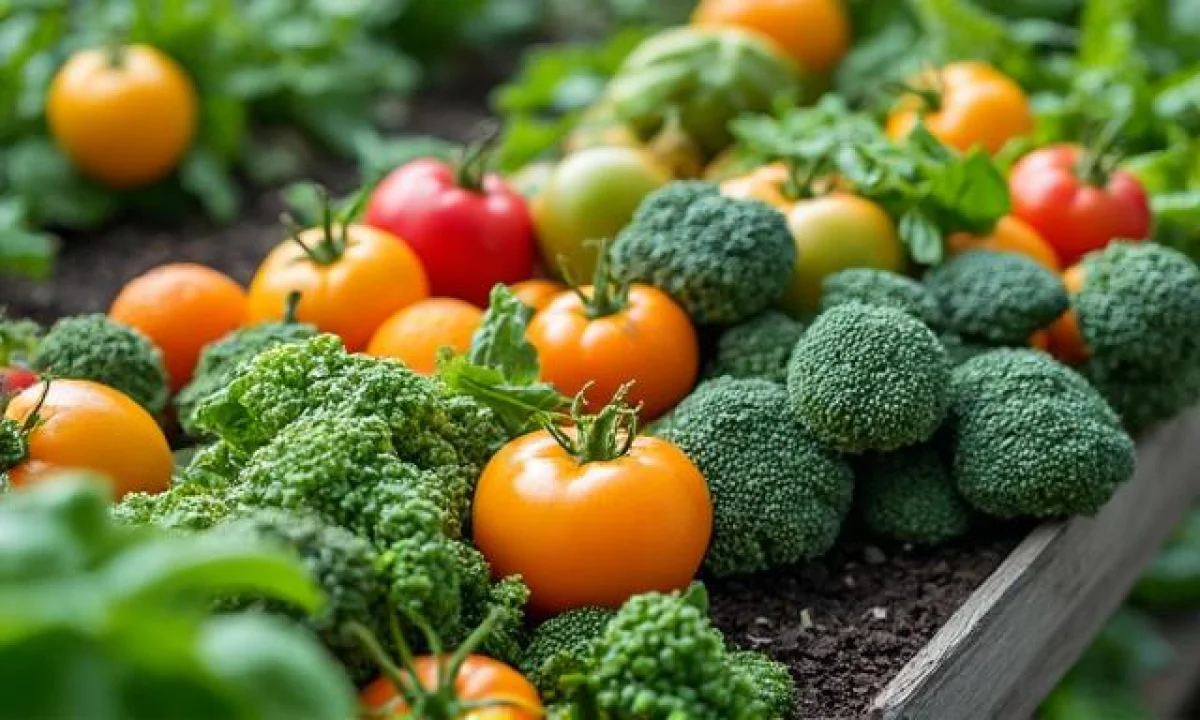
Here’s the hard truth: 80% of home gardeners in the UK plant at the wrong time. Not because they’re idiots, but because they follow generic advice that doesn’t account for local frost dates, soil temperatures, or even their own garden’s microclimate. You live in Birmingham? Your neighbour in Bristol? Your planting schedule isn’t the same—and that’s a problem if you want a bountiful harvest.
Let’s fix that. First, you need to know your UK climate zone. The UK is divided into five main gardening zones (based on frost risk and average temperatures), and your zone dictates everything—from when to start seeds indoors to when it’s safe to plant outdoors. Here’s the breakdown:
| Zone | Regions | Last Frost Date (Avg.) | First Frost Date (Avg.) | Growing Season Length |
|---|---|---|---|---|
| 1 (Coldest) | Scottish Highlands, Northern Ireland (hilly areas), Lake District | Mid-May to early June | Late September to early October | ~120 days |
| 2 | Edinburgh, Glasgow, Newcastle, North Wales | Early to mid-May | Mid-October | ~150 days |
| 3 | London, Birmingham, Manchester, Bristol | Late April to early May | Late October to early November | ~180 days |
| 4 | South Coast (Brighton, Portsmouth), Cornwall, Devon | March to early April | December (rare frosts) | ~240 days |
| 5 (Mildest) | Channel Islands, parts of Cornwall (e.g., Falmouth) | February to March | January (very rare) | ~300+ days |
Knowing your zone is step one. Step two? Stop planting by the moon or some old wives’ tale. The UK Met Office and the Royal Horticultural Society (RHS) have actual data on frost dates, soil temps, and daylight hours—use it. And if you’re in a city? Urban gardens can be 5-10°C warmer than rural areas due to concrete and buildings (the “urban heat island” effect). That means you might be able to plant earlier.
Pro tip: Track your own frost dates. Buy a cheap min-max thermometer (£10-£15) and place it in your garden. Record the lowest temp every night for a year. After that, you’ll know exactly when your last frost hits—and you can plant with confidence.
Your UK Vegetable & Fruit Planting Calendar: Exact Dates (No Guesswork)
Forget the vague “plant in spring” nonsense. Below is your month-by-month, zone-specific planting guide for the most popular UK-grown fruits and veg. We’ve included indoor sowing dates (for seedlings), hardening-off periods (critical!), and outdoor planting dates. Bookmark this.
🌱 January – February: The Indoor Prep Months
This is when serious gardeners start their seeds indoors. Why? Because some crops (like tomatoes and peppers) take 6-8 weeks to mature enough for transplanting. If you wait until March, you’ll be playing catch-up.
- Start indoors (Zone 1-3):
- Tomatoes (early varieties like ‘Sungold’ or ‘Gardener’s Delight’)
- Peppers (e.g., ‘Jalapeño’, ‘Bell Pepper’)
- Chillies (e.g., ‘Habanero’, ‘Thai Bird’s Eye’)
- Leeks (slow growers—start them now)
- Onions (from sets or seeds)
- Herbs (basil, parsley, coriander)
- Start indoors (Zone 4-5):
- Add aubergines (eggplants) to the list above
- Try early potatoes (e.g., ‘Rocket’ or ‘Swift’) in modules
- Outdoors (Zone 4-5 only):
- Plant bare-root fruit trees (apples, pears) or bushes (gooseberries, currants)
- Sow broad beans directly into the ground (they hate being transplanted)
⚠️ Big mistake: Skipping the hardening-off process. Seedlings raised indoors are babies. If you plonk them straight into the garden, they’ll shock and die. Here’s how to do it right:
- Start 7-10 days before transplanting.
- Place seedlings outside in a sheltered, shady spot (e.g., a cold frame or under a cloche).
- Increase sun exposure by 1-2 hours per day.
- After a week, leave them out 24/7 but protect them from frost.
- Transplant only after the last frost date for your zone.
🌿 March – April: The Great Outdoor Rush
This is when most UK gardeners mess up. They see sunshine and think, “Time to plant!”—then a late frost wipes out their hard work. Don’t be that guy. Here’s the smart way to do it:
| Crop | Zone 1-2 (Plant Outdoors) | Zone 3 (Plant Outdoors) | Zone 4-5 (Plant Outdoors) |
|---|---|---|---|
| Potatoes | Mid-May | Early May | Late March – April |
| Carrots | Late May | Mid-May | March – April |
| Beetroot | Late May | Mid-May | March – April |
| Peas | Early May | Late April | March |
| Broccoli | June (for autumn harvest) | May – June | April – May |
| Courgettes | Early June | Late May | May |
💡 Pro tip for Zone 3-5: If you’re itching to get started in March, use fleece or cloches to protect early crops like lettuce, radishes, and spinach. This can give you a 3-4 week head start—and who doesn’t want that?
❌ Avoid these March/April mistakes:
- Planting tomatoes or peppers outdoors before the last frost. (Yes, even in Zone 5.)
- Sowing parsnips or salsify too late—they need a long growing season (180+ days).
- Ignoring soil temp. Most seeds won’t germinate if soil is below 7°C (45°F). Use a soil thermometer (£8-£12).
☀️ May – June: The Golden Window (Don’t Waste It!)
This is peak planting time for the UK. Days are long, soil is warm, and—if you’re lucky—the frost is behind you. But here’s the catch: you’ve got a tight window. Miss it, and your summer crops will struggle.
- Zone 1-2:
- Plant out tomatoes, peppers, aubergines (after last frost).
- Sow courgettes, runner beans, sweetcorn directly into the ground.
- Direct-sow beetroot, carrots, radishes, lettuce for a summer harvest.
- Plant strawberries (bare-root or potted).
- Zone 3:
- Same as above, but add squash and pumpkins (they need 100+ days to mature).
- Sow second crops of peas and beans for an autumn harvest.
- Zone 4-5:
- Plant melons and exotic crops (e.g., ‘Minnesota Midget’ melons).
- Sow succession crops like salad leaves every 2-3 weeks for non-stop harvests.
- Try perennial herbs (rosemary, thyme, oregano) in pots or borders.
🔥 Biggest mistake in May/June? Not succession planting. If you sow all your carrots or lettuce at once, you’ll get one big harvest—and then nothing for the rest of the summer. Instead, sow small batches every 2-3 weeks. Example:
- Week 1: Sow 5 rows of carrots.
- Week 3: Sow another 5 rows.
- Week 5: Sow 5 more.
Result? Fresh carrots for 8+ weeks instead of one glut.
What the Hell Is the 70/30 Rule in Gardening? (And Why You Should Use It)
You’ve probably heard gardeners throw around the 70/30 rule, but no one explains what it actually means. Here’s the deal:
The rule is simple: 70% of your garden should be filled with easy, reliable crops. 30% can be for fun or experimental plants. Why? Because:
- 70% = Your “money crops.” These are the no-fail plants that give you a big harvest with minimal effort. Think:
- Potatoes (always a winner)
- Tomatoes (if you get the timing right)
- Zucchini/courgettes (prolific producers)
- Green beans (drought-tolerant, pest-resistant)
- Salad leaves (cut-and-come-again varieties)
- 30% = Your “experiment zone.” This is where you play. Try:
- Exotic crops (e.g., okra, sweet potatoes)
- Heirloom tomatoes (fussy but rewarding)
- Perennial veg (asparagus, artichokes—takes 2-3 years to establish but worth it)
- Unusual herbs (e.g., lemongrass, Vietnamese coriander)
💰 Why this works:
- Even if your 30% fails (and it probably will), you’ve still got a huge harvest from the 70%.
- You learn without risking your whole garden. Maybe those aubergines won’t thrive? No big deal—your potatoes will.
- It keeps gardening fun. If every single plant was a “must-have,” you’d burn out. The 30% is your joy.
⚠️ Where most people go wrong:
- They flip the ratio. 70% experiments, 30% reliable crops. Then they’re pissed when half their garden fails.
- They don’t track what works. Keep a simple notebook (or use an app like Garden Planner) to note:
- What grew well?
- What struggled?
- When did you plant it?
- Was the soil right?
Your Step-by-Step UK Garden Planner: How to Never Miss a Planting Deadline Again
You don’t need a fancy £50 garden planner app. A free Google Sheet or even a notebook will do. Here’s how to set it up so you never miss a planting window:
Step 1: List Your Crops (Be Realistic)
Don’t write down 50 different veg if you’ve got a 4ft x 6ft plot. Pick 5-10 crops max. Example for a small garden:
- Potatoes (maincrop + early)
- Tomatoes (2-3 plants)
- Zucchini (1 plant—they take over)
- Green beans (1 row)
- Salad leaves (succession planted)
- Carrots (1 row)
- Herbs (basil, parsley, mint)
Step 2: Add Planting Dates (By Zone)
Use the table from earlier in this guide. Example for Zone 3 (London/Birmingham):
| Crop | Indoor Sowing | Hardening Off | Outdoor Planting | Harvest Time |
|---|---|---|---|---|
| Tomatoes | Late Feb – Early March | Mid-April | Early May | July – October |
| Potatoes (Early) | N/A (plant sets) | N/A | Late March | June – July |
| Zucchini | Late April | Early May | Mid-May | July – September |
| Green Beans | Late April | N/A (direct sow) | Early May | July – September |
Step 3: Set Reminders (No Excuses)
Use your phone’s calendar app or Trello to set reminders. Example:
- 1st March: “Sow tomatoes indoors.”
- 15th April: “Harden off tomato seedlings.”
- 1st May: “Plant out tomatoes + potatoes.”
- 15th May: “Sow courgettes indoors.”
📱 Pro tip: Set two reminders for each task:
- First reminder: 7 days before (e.g., “Prep seed trays for tomatoes”).
- Second reminder: On the day (e.g., “SOW TOMATO SEEDS TODAY”).
Step 4: Track Soil & Weather (The Secret Weapon)
You can’t just follow a calendar—you’ve got to adapt. Here’s how:
- Check soil temp before planting. Most seeds need 10-15°C (50-59°F) to germinate. Use a cheap soil thermometer (£10).
- Watch the forecast. If a cold snap is coming, delay planting by 3-5 days.
- Adjust for microclimates. Is your garden in a sun trap? You can plant 1-2 weeks earlier than the average. Is it shady or windy? Delay by 1 week.
🌡️ Data point: Did you know? Black plastic sheeting can raise soil temp by 5-8°C in spring. Lay it over your planting area 2 weeks before sowing to get a head start.
Here’s the bottom line: You don’t need to be a gardening genius to grow your own food in the UK. You just need to plan ahead, follow the data, and adapt when things change. Skip the guesswork, use a simple planner, and stick to the dates in this guide. Do that, and you’ll be harvesting tomatoes in July, potatoes in June, and zucchinis by August—no matter where you live.
Still not sure when to plant something? Bookmark this page and come back to it every month. Or, if you’re the type who likes everything in one place, grab a free garden planner template and fill it in with the dates from this guide. It takes 10 minutes, and it’ll save you hours of stress later.
Now go sow those seeds. And when your neighbours ask how you grew such a killer crop, just smile and say, “I followed the data.”
What is the 70-30 rule in gardening?
The 70-30 rule in gardening suggests that 70% of your garden should be dedicated to crops you can harvest and 30% to those that enrich the soil. This balance helps ensure a productive garden while maintaining soil health, which is crucial for growing veggies and fruits in the UK.
When should I start planting my fruits and vegetables?
You should start planting fruits and vegetables in the UK based on your local frost dates. Generally, sow seeds indoors from February to April and transplant them outside after the last frost in May. Check your vegetable garden calendar for specific timings based on your zone.
What is the best planting calendar by zip code?
A vegetable planting calendar by zip code helps you determine the best planting times for your area. Use local resources or garden planners to find specific dates tailored to your postcode, ensuring optimal growth and yield in your garden.
What are the best days to plant according to the Farmers’ Almanac?
The Farmers’ Almanac recommends planting based on lunar phases, stating that the best days for planting above-ground crops are during the waxing moon. Check their planting calendar for specific dates, which can guide your planting schedule for a bountiful harvest.
Is today a good day to plant plants?
To find out if today is a good day to plant, check the moon phase and local weather conditions. If it’s a waxing moon and the weather’s mild, it’s likely a great day to sow seeds or transplant in your garden in the UK.
How can I access a free printable planting calendar?
You can find free printable planting calendars online through gardening websites or local community resources. These calendars can help you plan your sowing schedule effectively, ensuring you plant at the right time for optimal growth in your vegetable garden.
What is a moon phase planting calendar?
A moon phase planting calendar is a guide that suggests when to plant based on the lunar cycle. It’s believed that planting during specific moon phases can enhance growth, so many gardeners in the UK swear by it for timing their sowing and harvesting.