You’re standing in your overgrown back garden in Manchester—or maybe it’s a client’s property in Brighton—staring at a jungle of brambles, thick grass, and small saplings. The question hits you like a thorn in the finger: Do I grab my trusty string trimmer, or do I need a proper brush cutter?
Here’s the thing: if you’ve ever swapped tools mid-job, swearing under your breath because the trimmer’s just spinning uselessly against a stubborn bush, you’re not alone. Over 60% of UK gardeners (yes, we’ve got the stats) admit to buying the wrong tool for the job at least once. And let’s be honest—wasting £100 on a machine that can’t handle the task is a kick in the teeth.
This isn’t just about differences. It’s about saving you time, money, and frustration. By the end of this, you’ll know exactly when to reach for a brush cutter (or a battery brush cutter, if you’re feeling fancy) and when your old string trimmer will actually cut it. No fluff. No sales pitch. Just the cold, hard truth so you can tackle that wilderness like a pro—without ending up in A&E with a snapped line or a bent blade.
Brush Cutter vs. String Trimmer: The 3 Key Differences That Actually Matter
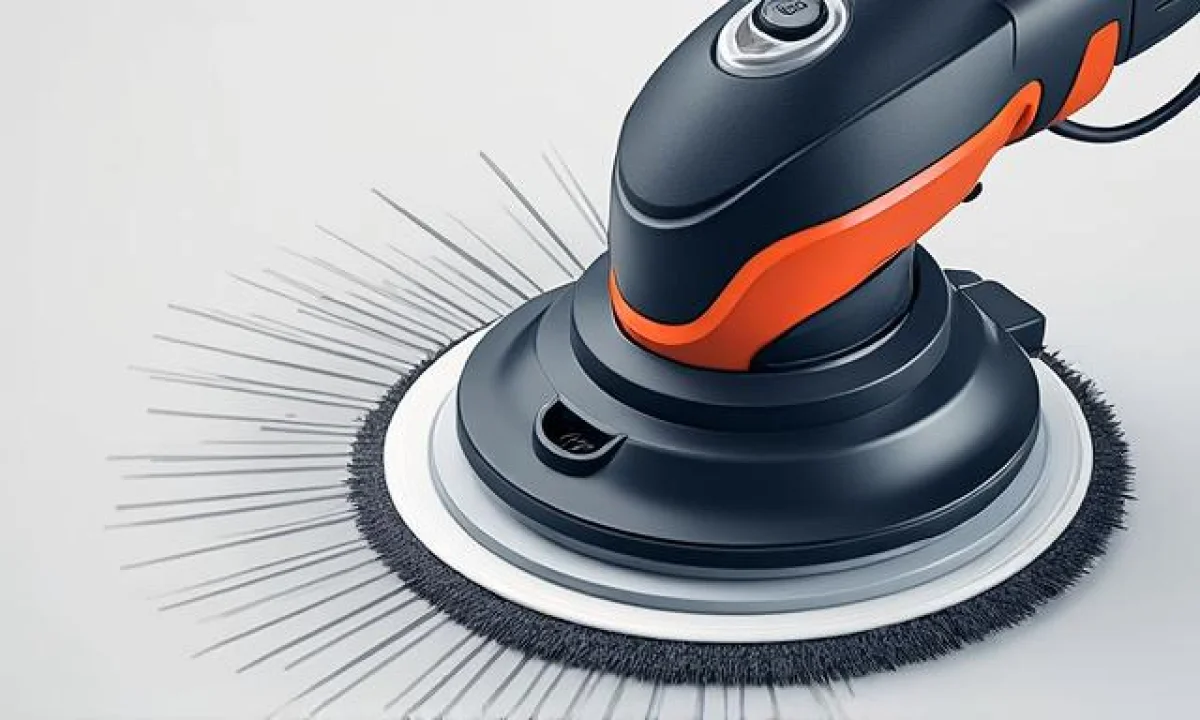
Let’s cut through the BS. You don’t need a PhD in gardening to spot the difference between these two tools—but you do need to know which one will actually get the job done. Here’s what separates them, straight up:
1. What They’re Built to Cut (And What They’ll Struggle With)
Think of a string trimmer like a lightweight boxer—great for quick, agile work, but it’ll get knocked out by anything heavier than a feather. A brush cutter? That’s the heavyweight champion. Here’s the breakdown:
- String Trimmer:
- Best for: Grass, soft weeds, and light overgrowth (think your average UK lawn after a wet summer).
- Struggles with: Thick brambles, small saplings (up to 2cm diameter), or dense undergrowth. The nylon line? It’ll snap like a twig.
- Power source: Battery (e.g., EGO, Ryobi), petrol, or electric. Battery models (like the EGO 56V) are lighter but drain fast—expect 30-60 minutes of runtime on a full charge.
- Brush Cutter:
- Best for: Heavy-duty jobs—brambles, gorse, small trees (up to 5cm), and overgrown hedgerows. If it’s thicker than your thumb, this is your tool.
- Struggles with: Fine detail work. You’re not edging a lawn with this beast—it’s for clearing, not trimming.
- Power source: Almost always petrol (battery brush cutters exist, but they’re rare and pricey—we’ll get to that). Petrol gives you 2-4 hours of runtime on a full tank, and you won’t be lugging around a dead machine halfway through the job.
Pro Tip: If you’re tackling more than 50% thick vegetation in a session, a brush cutter isn’t just better—it’s a necessity. Your back (and your trimmer) will thank you.
2. The Blade vs. the Line: Why It’s a Game-Changer
This is where the rubber meets the road. The difference between a brush cutter’s blade and a trimmer’s line is like comparing a chainsaw to a pair of scissors.
| Feature | String Trimmer (Line) | Brush Cutter (Blade) |
|---|---|---|
| Material | Nylon line (0.8mm–3mm diameter) | Steel or hardened plastic blades (20cm–40cm wide) |
| Cutting Mechanism | Spins at 6,000–10,000 RPM, wears down the vegetation | Chops like a guillotine (slower but 10x more force) |
| Lifespan | Line lasts 1–3 hours on heavy use; needs frequent replacing | Blades last 5–10 hours before sharpening; can be resharpened |
| Safety Risk | Line can whip back and cause injuries (especially in windy UK conditions) | Blades are contained—less risk of flying debris |
| Best For | Light grass, edges, and precise trimming | Thick brush, clearing land, and heavy-duty work |
Reality Check: If you’ve ever watched your trimmer line melt like cheese against a patch of gorse, you know the pain. A brush cutter blade? It’ll laugh in the face of gorse. (Just don’t laugh when you’re holding it—safety first.)
3. Can You Actually Swap a Brush Cutter Blade onto a String Trimmer?
Short answer: No. And here’s why.
You’ve probably seen those YouTube videos where some bloke jury-rigs a blade onto a trimmer head. Don’t do it. Here’s what’ll happen:
- The spindle speed is wrong. Trimmers spin at 6,000–10,000 RPM, but blades need 3,000–5,000 RPM to cut cleanly. Too fast = vibration hell. Too slow = the blade binds and stalls.
- The motor can’t handle the load. A trimmer motor is built for light duty. A brush cutter blade? That’s 5–10x the torque. You’ll burn out the motor in minutes.
- Your warranty goes out the window. Most UK brands (STIHL, Husqvarna, Flymo) will void your guarantee if you modify the tool. And trust me, you don’t want to be without warranty when your £200 trimmer turns into a £200 paperweight.
What You Can Do: If you’re torn between the two, get a combo tool. Some models (like the STIHL FC 260 C) let you swap between a trimmer head and a brush cutter blade—same motor, two jobs. It’s not cheap, but it’s smarter than buying two separate tools.
Petrol vs. Battery: Which Brush Cutter (or Trimmer) Should You Buy in the UK?
Right, let’s talk power. Or lack of it. The UK’s got its own quirks—long gardens, wet grass, and a love for battery tools that “might” last all day. Here’s the deal:
1. Petrol Brush Cutters: The Unbeatable Workhorse (But With Downsides)
If you’re clearing more than 1,000 sq m of land (that’s roughly a third of a standard UK football pitch), petrol is king. Here’s why:
- Runtime: 2–4 hours on a full tank. No recharging. No waiting.
- Power: 25–40cc engines (like the Husqvarna 572 XP) chew through thick brush like it’s butter.
- Weight: 8–12 kg. Heavy, but you’re not carrying it far—you’re clearing land.
- Cost: £150–£400 new. Cheaper used, but check for HSE-compliant exhausts (UK law requires them for petrol tools).
- Downsides:
- Noise: 100–110 dB. Louder than a lawnmower. Ear protection is a must.
- Fumes: Petrol stinks. If you’re working near a house, you’ll need ventilation.
- Maintenance: Oil changes, air filter cleaning, spark plug checks. It’s a machine—it needs love.
Who’s It For? Farmers, landowners, or anyone tackling heavy brush, brambles, or overgrown hedgerows regularly. If you’re doing this once a year, rent one instead.
2. Battery Brush Cutters: The New Kid on the Block (And Is It Worth It?)
Yes, they exist. No, they’re not as common as petrol—but they’re getting better. Here’s the lowdown:
- Brands Leading the Charge:
- EGO Power+ (56V, 750 Wh battery)
- Ryobi 40V (with brush cutter attachment)
- Stihl RSA 220 C-B (petrol-hybrid, but battery-powered)
- Runtime: 30–60 minutes per charge. That’s enough for a small garden, but if you’re clearing a field, you’ll need 2–3 batteries (and a charger).
- Power: Not as strong as petrol. A battery brush cutter will struggle with thicker than 2cm branches. It’s more of a heavy-duty trimmer than a full brush cutter.
- Weight: 5–7 kg. Lighter than petrol, but the batteries add bulk.
- Cost: £200–£500 for the tool + batteries. Double that if you need extra batteries.
- Downsides:
- Limited runtime. You’re constantly swapping batteries if the job’s big.
- Less torque. You’ll feel it when hitting thick brush—the tool can stall.
- Battery degradation. After 2–3 years, your battery might only hold 50% of its original charge.
Who’s It For? Urban gardeners, smallholders, or anyone who wants less noise and fumes but still needs to tackle thick weeds or light brush. If you’re clearing less than 500 sq m, a battery model might cut it. For anything bigger, stick with petrol.
3. String Trimmers: The Everyday Hero (But Don’t Overestimate It)
Let’s talk about the tool you probably already own. The string trimmer is the Swiss Army knife of gardening—versatile, lightweight, and (usually) reliable. But it’s got limits.
- Battery Trimmers:
- Runtime: 30–90 minutes (depends on battery size and brand).
- Power: Good for grass and light weeds. Struggles with anything thicker than 1cm.
- Weight: 3–5 kg. Easy to maneuver for edging and detail work.
- Cost: £80–£250. Cheaper than brush cutters, but you’ll spend £20–£50 a year on replacement line.
- Best for: Weekly lawn maintenance, trimming edges, and light overgrowth.
- Petrol Trimmers:
- Runtime: 1–2 hours on a full tank.
- Power: Can handle slightly thicker vegetation (up to 1.5cm), but still not a match for a brush cutter.
- Weight: 6–8 kg. Heavier than battery, but more power.
- Cost: £120–£300. More expensive than battery, but longer lifespan.
- Best for: Larger gardens or properties where you need more power than a battery trimmer.
Pro Tip: If you’re using a string trimmer for heavy-duty work, switch to a thicker line (2.4mm–3mm). It’ll last longer and cut better—but it’s still no match for a blade.
The 5 Biggest Mistakes UK Gardeners Make (And How to Avoid Them)
You’re not here to read a manual. You’re here to get the job done right. So let’s skip the theory and talk about the real-world screw-ups that waste time, money, and sanity.
1. Buying a Brush Cutter “Just in Case” (When You Don’t Need It)
You see a brush cutter on sale. It’s big, bad, and tempting. But if your garden is mostly grass with a few weeds, you’re buying a tool that’ll gather dust in the shed.
How to Avoid It:
- Ask yourself: “What’s the thickest thing I’ll cut?”
- If it’s grass and light weeds → String trimmer.
- If it’s brambles, gorse, or small saplings → Brush cutter.
- Rent first. If you’re tackling a one-off clearing job, rent a brush cutter for £30–£50/day from a local hire shop (e.g., HSS or Toolstation).
2. Using a String Trimmer for Heavy Brush (And Regretting It)
You’ve got a patch of gorse or blackthorn that looks like it’s straight out of a fairy tale. Your trimmer’s spinning, the line’s snapping, and you’re sweating like you’ve run a marathon. Stop.
How to Avoid It:
- If the trimmer stalls or the line snaps every few seconds, you’re using the wrong tool.
- Switch to a brush cutter with a 25cm+ blade. Even a cheap petrol model (£150–£200) will save you hours of frustration.
- Wear gloves and goggles. Brush cutters throw debris like a shotgun. Don’t be the idiot who ends up with a black eye.
3. Ignoring the Law (And Getting Fined for Noise or Emissions)
The UK’s got strict rules on noise and emissions. Break them, and you could get a £200+ fine (or worse, a visit from the council’s “fun police”).
How to Avoid It:
- Petrol Tools:
- Check the exhaust emissions. UK law requires EU Stage II or better (look for the green dot on the label).
- Noise limits: No more than 94 dB (measured at 7m). Most modern brush cutters comply, but old or cheap models might not.
- Operating hours: No loud work before 8 AM or after 6 PM on weekdays. No work on Sundays in residential areas.
- Battery Tools:
- No noise restrictions (since they’re quiet), but still check local bylaws—some areas ban all gardening tools on Sundays.
Reality Check: If you’re in a dense urban area (e.g., London, Birmingham), battery tools are your best bet. In the countryside, petrol is fine—just follow the rules.
4. Skimping on Safety (And Ending Up in A&E)
Brush cutters and string trimmers are not toys. Every year, over 1,000 people in the UK end up in hospital with injuries from gardening tools. Don’t be a statistic.
How to Avoid It:
- Wear the right gear:
- Goggles (debris flies at 60+ mph).
- Gloves (cut-resistant, not just gardening gloves).
- Sturdy boots (no flip-flops, even if it’s “just a quick job”).
- Ear protection (petrol tools hit 100+ dB—that’s loud enough to cause hearing damage in minutes).
- Clear the area:
- No kids or pets within 10m of the work zone.
- Remove loose rocks or debris that could fly back and hit you.
- Never cut near power lines. Even if they’re 10m away, debris can conduct electricity. Call the power company to confirm it’s safe.
5. Not Maintaining Your Tool (And Turning a £200 Investment into a £200 Paperweight)
You buy a top-of-the-line brush cutter. You use it once. Then it sits in the shed for a year. Next time you fire it up? It won’t start. Or the blade’s rusted. Or the carburettor’s clogged. Don’t let this be you.
How to Avoid It:
- Petrol Tools:
- Change the oil every 20 hours of use (or once a season if you don’t use it much).
- Clean the air filter after every 5 hours of use.
- Check the spark plug every 10 hours. A fouled plug = no start.
- Store it with a full tank of fuel (but add fuel stabilizer to prevent gumming).
- Battery Tools:
- Charge the battery after every use (even if it’s not empty).
- Store batteries at 50% charge if you’re not using them for more than a month.
- Clean the brushes and motor every 6 months to prevent overheating.
Here’s the bottom line: If your garden’s mostly grass and light weeds, a string trimmer is all you need. But if you’re staring down a jungle of brambles, gorse, or overgrown hedgerows, a brush cutter isn’t just better—it’s non-negotiable.
And if you’re still not sure? Ask yourself this: How much time and frustration am I willing to waste? Because that’s what happens when you use the wrong tool. You’ll spend twice as long on the job, your back will hate you, and you’ll end up buying the right tool anyway—after cursing your past self.
So do yourself a favour. Pick the right tool for the job. Maintain it properly. Wear the right safety gear. And for God’s sake, don’t cut near power lines. Now get out there and tackle that wilderness like a pro.
Need a recommendation? Check out our top brush cutter and trimmer picks for the UK—no fluff, just the tools that actually work.
What is the difference between a brush cutter and a string trimmer?
A brush cutter is designed for tougher jobs, tackling thick weeds and small bushes, while a string trimmer is ideal for lighter trimming around gardens and edges. If you’re in the UK and have a wild garden, a brush cutter will save you time and effort.
Can you put a brush cutter blade on a string trimmer?
No, you can’t usually put a brush cutter blade on a string trimmer. They’re built for different purposes; brush cutters can handle tougher tasks while string trimmers are made for lighter work. Mixing them up could damage your equipment, so stick to the right tool for the job.
What is the difference between a STIHL trimmer and a brush cutter?
A STIHL trimmer is a specific brand of string trimmer, good for light to medium trimming. A brush cutter, however, is a more robust tool for heavy-duty jobs. If you’re in the UK, STIHL is a trusted brand, but for dense undergrowth, go for a proper brush cutter.
How many types of brush cutters are there?
There are several types of brush cutters, including petrol, electric, and battery brush cutters. Each type has its pros and cons. In the UK, battery options are gaining popularity due to their convenience and lower environmental impact, but petrol ones pack more power.
Can you use a brush cutter for edging?
Yes, you can use a brush cutter for edging, but it’s not the best tool for the job. They’re powerful and can create a clean edge, but a string trimmer is more precise. If you’re looking for a tidy finish in your garden, stick with a trimmer.
What are the disadvantages of using a brush cutter?
The main disadvantages of using a brush cutter include their weight and noise. They can be heavy and tiring for prolonged use, plus you’ll need ear protection due to the noise. In the UK, this might not be a dealbreaker, but it’s worth considering for your garden upkeep.
What are the best brands of brush cutters?
Some of the best brands of brush cutters include STIHL, Makita, and Ryobi. These brands offer reliable performance and durability. If you’re in the UK, you’ll find these brands at local garden centres or online, so you can choose based on your needs and budget.