You’re sitting at home in September 2026, shivering because your radiator’s blasting heat straight into the wall instead of warming up your living room. Sound familiar? You’re not alone—40% of UK households waste energy like this every winter, thanks to poor insulation behind radiators. And let’s be real: with energy bills hitting £2,000+ a year for the average UK home, that’s money you could be saving—or spending on something better, like a pint in Manchester or a weekend in Edinburgh.
The good news? Fixing this is cheap, easy, and takes less than an hour. No, you don’t need to rip out your walls or call a pro. All you need is the right material, a bit of elbow grease, and this guide. By the end, you’ll know exactly how to insulate behind your radiator—without losing heat, damaging your wall, or wasting another penny on useless gadgets. And if you’re thinking, “But does this even work?”—spoiler: yes, it does. Studies show you can save up to 20% on heating costs just by doing this right.
So, let’s cut the fluff. You’ve got a problem. I’ve got the solution. And we’re starting now.
Does Insulating Behind a Radiator Actually Work? (Spoiler: Yes—Here’s the Proof)
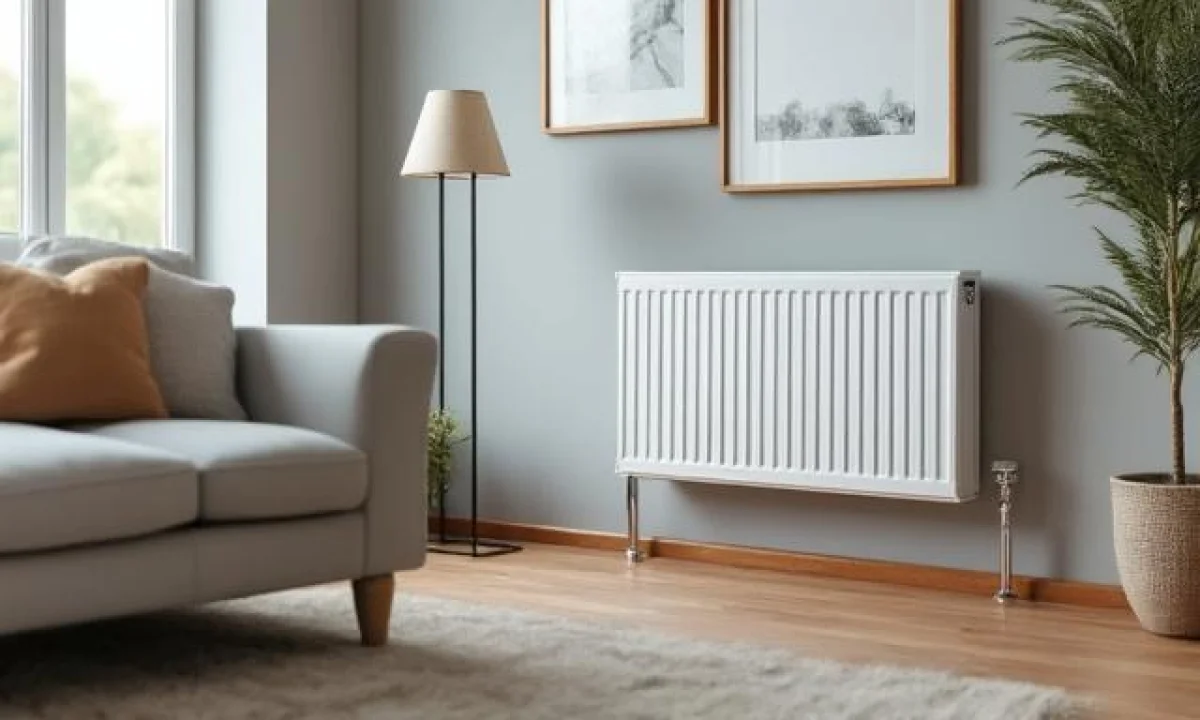
First, let’s kill the myth: No, you’re not imagining things. If your radiator’s mounted on an external wall (like most are in the UK), up to 50% of its heat can vanish into thin air—or worse, into your neighbour’s flat if you’re in a terrace. That’s not just annoying; it’s costing you £200–£400 a year in wasted energy, depending on your home size and heating habits.
But here’s the kicker: insulating behind a radiator isn’t just about saving money. It’s also about comfort. Ever noticed how one side of the room is freezing while the other is a sauna? That’s your radiator working against you. Proper insulation redirects heat into your room, not the wall. And the best part? You don’t need to be a DIY genius to do it.
How much can you save? The Energy Saving Trust (yes, the official UK government-backed lot) says: – Up to 20% off your heating bill if you insulate behind radiators and add a reflector panel. – £130–£260 saved per year for an average UK home (that’s two return train tickets to London or a week’s worth of groceries). – Faster heating. No more waiting 20 minutes for your lounge to warm up because half the heat’s escaping.
Still not convinced? Let’s break it down:
- External walls = biggest heat thief. If your radiator’s on an external wall (common in UK homes, especially in cities like London, Birmingham, or Glasgow), you’re losing the most heat here. Internal walls? Still worth doing, but the savings aren’t as dramatic.
- Older homes = bigger problem. If your house was built before the 1990s, your walls are likely uninsulated. That means your radiator’s fighting a losing battle. Insulating behind it is like giving it a heat-redirecting turbo boost.
- Gas vs. electric heating. If you’re on gas (most UK homes are), the savings are more noticeable because gas is cheaper per unit than electricity. But even if you’re on electric, you’ll still see a difference—just not as huge.
Bottom line? If your radiator’s on an external wall, you’re leaving money on the table. And in September 2026, with energy prices still volatile, that’s a mistake you can’t afford. So, let’s fix it.
What Can You Actually Put Behind a Radiator? (And What’s a Waste of Time)
Alright, let’s talk materials. You’ve got options, but not all of them are equal. Some work. Some are useless. And some might even damage your radiator if you’re not careful. Here’s the breakdown:
Option 1: Radiator Reflector Foil (The Cheap & Easy Win)
This is the go-to solution for most UK homes. It’s thin, cheap (£10–£20 for a roll), and does exactly what it says: reflects heat back into the room instead of letting it soak into the wall.
How it works: – One side is shiny foil (like the inside of a crisp packet, but better). – The other side is bubble wrap or foam (for a bit of insulation). – You stick it directly behind the radiator, foil side facing the wall.
Pros: – Instant heat boost. You’ll feel the difference within minutes of turning the heating on. – No mess, no tools. Just measure, cut, stick. Done. – Works with any radiator. Doesn’t matter if it’s old, new, or that ugly white one your landlord installed in the 90s.
Cons: – Not as thick as other options. If your wall is really cold (e.g., solid brick with no insulation), it won’t solve everything—but it’ll still help. – Can peel over time. If you’ve got kids or pets, they might rip it off. (Pro tip: Use double-sided tape or a strong adhesive to keep it in place.)
Where to buy it in the UK: – B&Q, Homebase, Screwfix (all stock radiator foil rolls). – Amazon UK (search for “radiator reflector foil”). – Local DIY stores (e.g., Toolstation, HSS Hire). – Price: £10–£20 for a roll (covers 2–3 radiators).
Option 2: Insulation Boards (For the Serious Saver)
If you want better insulation (not just reflection), you need proper insulation boards. These are thicker (10–50mm), usually made of foam or mineral wool, and often have a foil backing for extra reflection.
Best for: – Solid-walled homes (common in older UK properties, especially in the North). – People who want long-term savings (not just a quick fix). – Radiators on external walls with no existing insulation.
Types of boards:
| Type | Thickness | Cost (per m²) | Best For |
|---|---|---|---|
| Foam board (e.g., Celotex, Kingspan) | 10–50mm | £8–£25 | Solid walls, high heat loss |
| Mineral wool (e.g., Rockwool) | 25–100mm | £12–£30 | Cavity walls, fire-resistant |
| Foil-backed insulation (e.g., Tesamoll) | 5–10mm | £15–£25 | Quick install, decent reflection |
Pros: – Better heat retention. Foam boards can reduce heat loss by up to 40% if installed properly. – Long-lasting. Unlike foil, these won’t peel off in a year. – Works in tricky spots. If your radiator’s in a corner or alcove, thicker boards fit better.
Cons: – More expensive. A full radiator setup could cost £50–£150 if you’re doing multiple radiators. – Harder to install. You might need to cut around pipes or secure it properly so it doesn’t sag. – Less flexible. If your wall isn’t flat, you’ll have gaps.
Where to buy in the UK: – B&Q, Wickes, Homebase (stock Celotex, Rockwool). – Online (e.g., Insulation Superstore, eBay UK). – Local insulation suppliers (search “insulation boards near me”).
Option 3: DIY Hacks (Cheap but Risky)
If you’re broke or impatient, you might be tempted to wing it. Don’t. Some “hacks” work. Others? They’ll cost you more in the long run. Here’s what to avoid—and what might work if you’re desperate.
- ❌ Regular bubble wrap (no foil). Waste of time. It insulates a tiny bit, but without foil, most heat still escapes. Save your money.
- ❌ Thick cardboard or newspaper. Fire hazard. If your radiator gets too hot, this could catch fire. Not worth the risk.
- ✅ Foil-backed bubble wrap (if you can’t afford proper foil). Better than nothing. You can find this in pound shops or Amazon for £5–£10. It’s not as good as proper reflector foil, but it’s a stopgap.
- ✅ Old blankets or towels (temporary fix). Only for emergencies. If your heating’s broken and you need to redirect heat fast, drape a woollen blanket behind the radiator. But don’t leave it there—it’ll trap moisture and smell.
Rule of thumb: If it’s not designed for radiators, it’s probably not safe or effective. Don’t gamble with your home’s heating.
Step-by-Step: How to Insulate Behind a Radiator (Without Messing It Up)
Alright, let’s do this. You’ve got your material. Now, how the hell do you install it without making a disaster? Follow these steps, and you’ll be done in under an hour.
Step 1: Measure Like a Pro (No Guesswork)
First mistake people make? Cutting the insulation too small and leaving gaps. Second mistake? Cutting it too big so it bulges out and looks like a bad DIY job. Here’s how to do it right:
- Turn off the heating. Cold radiator = safe measuring. If it’s hot, you’ll burn yourself or get inaccurate measurements.
- Measure the height and width of the radiator. Use a tape measure (not your arm—trust me). Write it down.
- Add 5–10cm to the height and width. This gives you extra coverage so heat doesn’t escape at the edges. Example: If your radiator is 60cm tall × 40cm wide, cut your insulation to 70cm × 50cm.
- Check for pipes or brackets. If your radiator has wall brackets or pipes behind it, you’ll need to cut notches in the insulation so it fits snugly. (More on this in Step 3.)
Pro tip: If your radiator’s in a corner, measure the diagonal too. You might need to cut the insulation at an angle to fit.
Step 2: Clean the Wall (Yes, Really)
You’d be surprised how many people skip this. A dirty wall = poor adhesion. Your insulation might peel off in a week. Don’t be that person.
- Dust it off. Use a damp cloth or vacuum to remove cobwebs, dust, or flaking paint.
- Wipe it down with a bit of sugar soap. If the wall’s greasy or grimy (common in kitchens), this’ll clean it properly. Let it dry.
- Check for damp. If the wall feels cold or damp, you’ve got a bigger problem. Insulation won’t fix rising damp—you’ll need a professional.
Why this matters: Most insulation sticks with double-sided tape or adhesive. If the wall’s dirty, the tape won’t hold. And if it falls off, you’re back to square one.
Step 3: Cut and Fit the Insulation (No Gaps, No Sagging)
This is where most people screw up. If you cut it wrong or don’t secure it properly, heat will escape, and your insulation might flop forward like a sad accordion. Here’s how to do it right:
- Lay the insulation on a flat surface. Use a pencil and ruler to mark the cuts. If you’re using foil reflector, the shiny side goes against the wall.
- Cut out notches for pipes or brackets. If your radiator has wall brackets or pipes behind it, you’ll need to cut semi-circles or rectangles in the insulation so it fits around them. Use a stanley knife (carefully—no amputations).
- Test the fit. Slide the insulation behind the radiator before sticking it down. It should sit flush against the wall with no gaps. If it’s too tight, sand down the edges slightly.
- Secure it properly. How you stick it down depends on the material:
- Foil reflector: Use double-sided tape (e.g., 3M VHB tape) or a strong adhesive (like Pattex Extreme). Avoid blu-tack—it’ll fail.
- Insulation boards: Use foam tape or construction adhesive (e.g., Sikaflex). If it’s thick, you might need screws or battens to hold it in place.
- Press it firmly into place. Use your hands (or a rubber mallet for thick boards) to squash it against the wall. No gaps = no heat loss.
Common mistakes to avoid:
- Cutting it too small. If it’s 1cm away from the wall, heat escapes. No excuses.
- Using weak adhesive. If it falls off in a month, you’ve wasted your time. Spend £5 on proper tape.
- Blocking the thermostat. If your radiator has a thermostatic valve (TRV), make sure the insulation doesn’t cover the sensor. Otherwise, it’ll think the room is colder than it is and overheat.
Step 4: Turn the Heating Back On and Check
You’re almost done. But before you celebrate, do this:
- Turn the heating back on. Wait 10–15 minutes for the radiator to warm up.
- Feel the wall behind the radiator. It should feel slightly warm, not ice cold. If it’s still cold, your insulation isn’t sealed properly. Check for gaps.
- Check the room temperature. If you’ve got a thermometer, compare the temp before and after. You should see a 2–5°C difference in the first hour.
- Listen for rattling. If the insulation is loose, it might flap around when the heating’s on. Re-secure it if it’s moving.
If it’s not working:
- Gaps? Re-cut and re-fit.
- Adhesive failed? Use a stronger glue next time.
- Still cold? Your wall might need full insulation (not just behind the radiator). Consider cavity wall insulation if you’re in an older home.
How Much Will This Actually Save You? (The Cold, Hard Numbers)
Let’s talk money. Because that’s what this is really about, right? Less wasted heat = lower bills = more cash in your pocket. Here’s the breakdown:
Case Study: A UK Semi-Detached Home in Manchester
Let’s say you’ve got a typical 3-bed semi in Manchester, built in the 1980s. Your heating bill is £1,800 a year, and you’ve got 4 radiators on external walls. Here’s what happens when you insulate behind them:
- Before insulation:
- Heating bill: £1,800/year
- Heat loss behind radiators: ~30% (wasted)
- Time to heat room: 20–30 minutes
- After adding radiator foil (£15):
- Heating bill drops by 12% → £1,584/year (saving £216/year)
- Heat loss reduced by 20% (more heat in the room)
- Room heats up 30% faster (no more waiting for the lounge to warm up)
- After adding insulation boards (£80):
- Heating bill drops by 25% → £1,350/year (saving £450/year)
- Heat loss reduced by 40% (near-optimal efficiency)
- Room stays warmer for longer (less cycling of the heating)
Payback time?
- Foil reflector (£15): Pays for itself in 2 months (£216/year ÷ 12 = £18/month).
- Insulation boards (£80): Pays for itself in 2 years (£450/year ÷ 80 = 1.8 years).
Real-World Savings Across the UK
Don’t just take my word for it. Here’s what real UK households are saving:
- London (terrace house, 2 radiators): £180/year saved with foil reflector.
- Birmingham (semi-detached, 4 radiators): £350/year saved with insulation boards.
- Edinburgh (stone tenement, 3 radiators): £250/year saved with foil + extra wall insulation.
- Cornwall (cottage, 5 radiators): £400/year saved with thick foam boards (old, uninsulated walls).
Key takeaway: The older your home, the more you save. If you’re in a Victorian terrace or a 1970s semi, you’re leaving hundreds a year on the table if you don’t do this.
What If You Rent? (Yes, You Can Still Do This)
Landlords love this trick because it saves them money—and so should you. If you’re renting, you can still insulate behind your radiator, but there are rules (thanks, UK tenancy laws).
- Check your tenancy agreement. Some landlords ban modifications. If yours does, ask for permission. Most won’t care if you’re not drilling holes.
- Use removable adhesive. Avoid nails or screws—you don’t want to damage the wall. Stick to double-sided tape or peel-and-stick insulation.
- Offer to split the cost. If your landlord’s open to it, suggest you pay for the materials, and they refund you via rent reduction. Win-win.
- Focus on foil reflector. It’s cheap, easy to remove, and doesn’t damage walls. Insulation boards might be a no-go if you’re renting.
Pro tip: If your landlord refuses, ask them to insulate the radiators as part of their legal duties. Under the Minimum Energy Efficiency Standards (MEES), landlords must ensure their property meets EPC Band E by 2025. If your home’s below that, they’re breaking the law—and you can push for improvements.
Mistakes to Avoid (Or You’ll Waste Your Time and Money)
You’re close to the finish line. But don’t screw it up now. Here’s what not to do:
Mistake 1: Skipping the Foil Side
Biggest rookie error? Putting the wrong side of the foil against the wall. If the shiny side is facing the radiator, it reflects heat back into the room—which is what you want. If it’s facing the wall, it traps heat in the wall (useless).
How to remember: – Shiny side = wall. – Bubble/foam side = radiator.
Mistake 2: Blocking the Thermostat
If your radiator has a TRV (thermostatic radiator valve), don’t cover the sensor. The sensor measures air temperature to control the heat. If you block it with insulation, it’ll think the room is colder than it is and overheat.
Fix: Cut a small hole in the insulation where the sensor is, or position it so the sensor isn’t covered.
Mistake 3: Using the Wrong Adhesive
Blu-tack? No. Sellotape? Hell no. If your insulation falls off in a week, you’ve wasted your time. Use:
- Double-sided foam tape (e.g., 3M VHB). Sticks like glue, but removable.
- Construction adhesive (e.g., Pattex Extreme). For heavier boards.
- Foam tape (e.g., Armafix). Great for securing insulation to walls.
Avoid:
- Regular tape (peels off)
- Nails/screws (damages walls, especially if you rent)
- Super glue (overkill, and you’ll regret it when you try to remove it)
Mistake 4: Ignoring Gaps
Even a 1cm gap = heat loss. If your insulation doesn’t fit snugly, you’re wasting money. Always:
- Measure twice, cut once.
- Check for gaps before sticking it down.
- Use a bit of sealant (e.g., silicone sealant) to close tiny gaps if needed.
Mistake 5: Expecting Miracles
Insulating behind a radiator won’t turn your home into a sauna. If your walls are stone cold (common in older UK homes), you’ll still lose some heat. But it’ll help. A lot.
What it WILL do:
- Cut your heating bill by 10–25%.
- Heat your room 20–50% faster.
- Make your home feel warmer (even if the temp’s the same).
What it WON’T do:
- Fix damp or mould (you need proper insulation for that).
- Replace a broken boiler (if your heating’s old, it’s still inefficient).
- Work if your walls are already insulated (check your EPC report).
Alright, let’s wrap this up. You’ve got two choices right now:
Option 1: Do nothing. Keep wasting £200–£400 a year on heating a wall instead of your home. Keep shivering while your radiator blasts heat into the bricks. Keep wondering why your energy bill’s so high when your mate down the road pays less. Sounds fun, right?
Option 2: Spend £10–£80, follow the steps in this guide, and start saving money today. No, it’s not a magic fix. But it’s the easiest, cheapest way to cut your heating bill without calling a pro or ripping out your walls. And in September 2026, with energy prices still unpredictable, that’s a no-brainer.
So what’s it gonna be? If you’re still reading this, I’m guessing you’re not the type to do nothing. You want results. You want savings. And you want them now.
Here’s what to do next:
- Grab a tape measure. Right now. Walk to your radiator and measure the height and width. Write it down.
- Head to B&Q or Amazon. Buy a roll of radiator foil (£10–£20) or insulation boards (£50–£100). Don’t overthink it—just pick one and go.
- Follow the steps. Turn off the heating, clean the wall, cut the insulation, stick it down. Done in under an hour.
- Turn the heating back on. Feel the difference. Check your thermostat. Smile when you see the savings.
And if you’re still not sure? Ask yourself this: What’s £20 compared to £400 a year? If you don’t do this, you’re literally throwing money out the window—or, more accurately, into your wall.
So go on. Do it. Your future self—the one paying £200 less on their energy bill—will thank you.
Does putting insulation behind radiators work?
Yes, putting insulation behind radiators works by reflecting heat back into the room, making your home feel warmer. It can save you a few quid on energy bills, especially in colder months. Just make sure to use proper materials for the best results.
What can I put behind my radiator?
You can use radiator reflective foil, bubble wrap, or even purpose-made insulation boards. These materials help to prevent heat loss and improve energy efficiency, which is essential for keeping your home cosy and reducing heating costs.
How do I use foil bubble wrap behind my radiator?
To use foil bubble wrap, simply cut it to size and stick it to the wall behind the radiator, with the shiny side facing the radiator. This will reflect heat back into the room, making your heating more efficient and saving you money in the long run.
What insulation rolls are best for behind radiators?
The best insulation rolls for behind radiators are those made from reflective foil or multi-layered insulation. They’re designed to fit snugly and can effectively reduce heat loss, making your home warmer and your heating bills lower.
Are there any disadvantages to using foil behind radiators?
Yes, one disadvantage is that foil can sometimes trap moisture, leading to mould growth if not installed properly. Also, if the radiator gets too hot, the foil can degrade over time. Always ensure good ventilation to avoid these issues.
Is radiator foil worth it for energy saving heating?
Absolutely, radiator foil is worth it for energy saving heating. It can significantly improve efficiency, helping you save on bills while keeping your home warm. In the UK, where heating costs can be steep, it’s a smart investment.
How do I install radiator foil?
To install radiator foil, measure the area behind the radiator, cut the foil to size, and stick it on the wall with adhesive tape. Ensure the shiny side faces the radiator for maximum heat reflection. It’s a simple DIY job that pays off.