You’re standing in a music shop in London, Birmingham, or Glasgow—maybe even scrolling through Gear4Music or Thomann’s UK site—and you’re staring at a wall of electric guitars. Some gleam like they’re fresh off a rockstar’s stage. Others look like they’ve survived a war. And you? You’re not just buying a guitar. You’re buying a sound. A voice. A way to finally play the riffs you’ve been humming in the shower for years.
Here’s the kicker: 87% of beginner guitarists quit within the first year (source: Guitar World UK, 2023). Why? Because they picked up a guitar that felt like a dead weight, sounded like a tin can, or—worse—didn’t match their vibe. You don’t want to be that statistic. You want a guitar that makes you want to practice. One that doesn’t just sound good but feels like an extension of your hands. And that’s exactly what we’re breaking down today.
No fluff. No “expert” jargon that sounds like it’s from a 1970s manual. Just the raw, unfiltered truth about the best electric guitar brands in the UK right now—whether you’re a total newbie, a session musician in Manchester, or a shredder in Edinburgh chasing that next-level tone. We’ll cut through the noise, compare the real deal, and tell you which brands are worth your hard-earned quid. (Spoiler: Some “budget” guitars are rip-offs. Others? Absolute steals.)
By the end of this, you’ll know:
- Which brands actually deliver on their hype (and which are overrated).
- How to match your playing style to the right guitar—no guesswork.
- Where to buy in the UK without getting screwed on shipping or taxes.
- The one “holy grail” guitar that even pros drool over (and how to get close to it without selling a kidney).
Let’s get into it.
Forget ‘Best’—Find the Guitar That Fits You
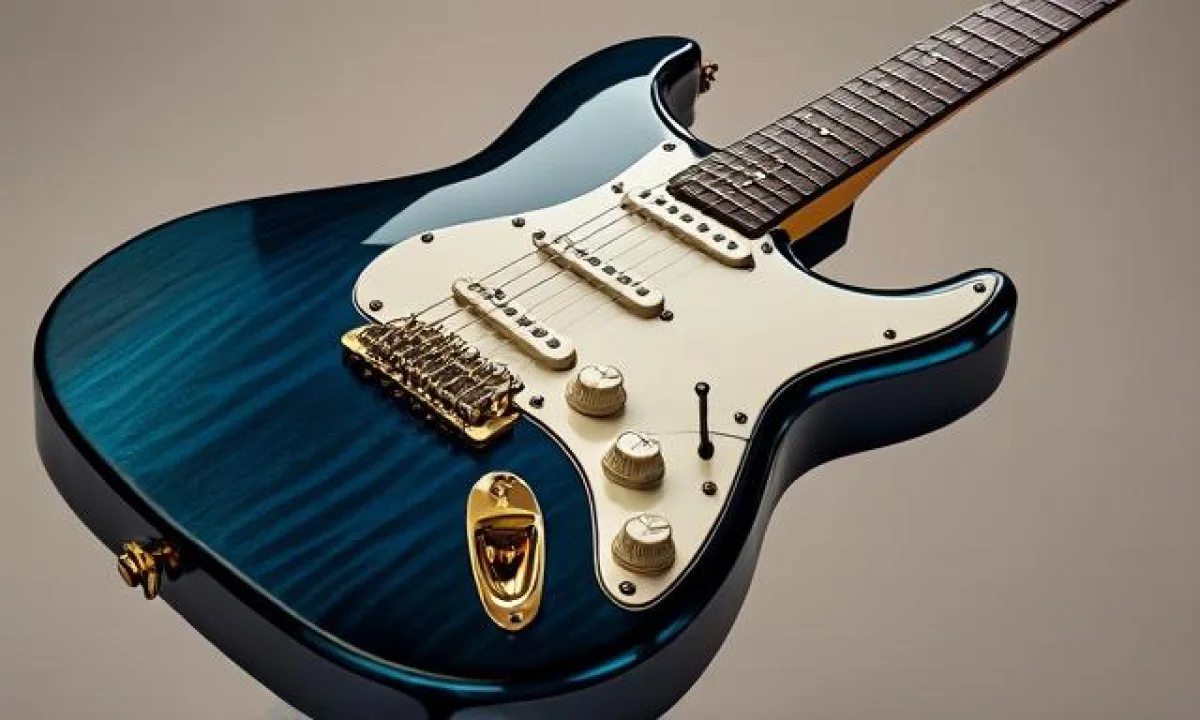
Here’s a hard truth: There is no single “best” electric guitar brand.
Why? Because “best” depends on:
- Your playing style (are you a blues bender, a metal shredder, or a jazz smoothie?).
- Your budget (£200 vs. £2,000 changes the game—we’ll show you how to stretch your money).
- Your body type (yes, a guitar that’s too big or too small will kill your progress).
- Your sound goals (do you want to record in a London studio or just jam in your bedroom?).
So we’re not ranking brands like some top-10 list you’d find in a magazine from 2010. Instead, we’re breaking it down by who you are as a player and what you actually need—not what some “expert” thinks is “objectively” the best.
Newbie? Start Here (Without Wasting £500 on Regrets)
You’re just starting, and you’ve got two fears:
- Buying a guitar that makes you sound like a cat in a blender.
- Dropping cash on something that’ll collect dust in six months.
Good news: You don’t need a £3,000 Gibson Les Paul to sound decent. In fact, some of the best starter guitars come from brands you’ve never heard of—but they’re stocked in every major UK music store, from Andertons to PMT.
Here’s the no-BS starter pack for UK buyers:
- Budget: £150–£300
- Squier Affinity Series (Fender’s budget arm). Why? Because 90% of what makes a Fender great is in these—just with cheaper pickups and a thinner neck. Get the Squier Affinity Stratocaster if you like versatility, or the Squier Affinity Telecaster if you’re into twangy, country-ish tones. (Pro tip: Avoid the “Made in China” models if you can—grab the “Made in Indonesia” ones. Better build quality.)
- Epiphone Les Paul SL. It’s £170, weighs less than a feather, and sounds way better than it should. Perfect if you’re into rock or blues. (Epiphone = Gibson’s budget brand, and this is their best-kept secret.)
- Harley Benton ST-20 (Thomann’s in-house brand). £120, and it’s not a joke. Plays like a £500 guitar. Great for beginners who want to experiment without breaking the bank.
- Budget: £300–£600
- Fender Player Series. This is where Fender starts using better pickups and hardware. The Player Stratocaster or Player Telecaster are the sweet spot for beginners who want to grow. £450–£550 in the UK, and they’ll last you years.
- Epiphone Les Paul Studio. £400, and it’s 90% of a real Gibson Les Paul for a fraction of the price. The ’59 weight relief (lighter body) makes it way more comfortable than a standard Les Paul.
- Ibanez GRX70QA. If you’re into metal, shredding, or just fast playing, this is the best bang-for-buck guitar in this range. £350, thin neck, great pickups. Ibanez guitars are built for speed, and this one proves it.
Where to buy in the UK?
- Online: Thomann (fast shipping, no VAT if you’re outside UK), Gear4Music, PMT, Andertons.
- In-store: Andertons (London, Birmingham, Manchester) lets you try before you buy. PMT (multiple locations) has a great return policy. Gear4Music stores often have demo models you can plug in.
Pro tip for beggers: If you’re serious about learning, pair your guitar with structured lessons. Sites like Fender Play (£9.99/month) or Justin Guitar (free + paid courses) will cut your learning curve in half. Skipping lessons is like buying a guitar and never plugging it in—you’re wasting your money.
The Top 4 Guitar Brands—And Why They Rule (Or Don’t)
You’ve heard the names: Fender, Gibson, Ibanez, PRS. But here’s the thing—not every brand is for you. Some are overhyped. Others are underrated gems. Let’s break it down.
1. Fender: The Rock ‘n’ Roll Legend (But Not Always the Best Choice)
Fender is the brand that defined electric guitars. The Stratocaster? Used by Eric Clapton, Jimi Hendrix, and every blues player who’s ever mattered. The Telecaster? The go-to for country, rockabilly, and twang.
Why people love Fender:
- Versatility. Strats and Teles can do almost any genre—blues, rock, funk, even metal if you dial in the right pedals.
- Comfort. Those contoured bodies mean you can play for hours without your arm falling off.
- Resale value. A well-maintained Fender holds its value better than 90% of guitars out there.
Why Fender might not be for you:
- Thin necks. If you’ve got big hands, a Strat neck can feel too skinny—like trying to grip a pencil.
- Single-coil pickups. They sound bright and crisp, but they’re noisy (pick up every hum and buzz in the room). If you’re recording, you’ll need a noise gate pedal.
- Price. A real Fender (not a Squier) starts at £1,200. That’s a lot of quid for a beginner.
Best Fender for you?
- Stratocaster → Blues, rock, funk, general versatility.
- Telecaster → Country, twangy rock, no-frills tone.
- Mustang → Budget-friendly (£500–£700), great for beginners, but less “iconic” than a Strat.
Where to try one in the UK?
- Andertons (London, Birmingham, Manchester) always has Fenders on display.
- PMT in Glasgow and Edinburgh stocks Player Series models.
2. Gibson: The Tone Monster (If You Can Afford It)
Gibson is the brand of legends. Slash, Jimmy Page, Angus Young—they all wield Gibsons like they’re extensions of their souls. But here’s the kicker: Gibson guitars are heavy, expensive, and not always practical.
Why Gibson rules:
- Tone. That warm, thick, sustain-heavy sound? That’s Gibson. It’s why 90% of rock and blues players swear by them.
- Build quality. A real Gibson (not an Epiphone) is built like a tank. You can smash it, drop it, abuse it, and it’ll still sound great.
- Iconic designs. The Les Paul, SG, and ES-335 are instantly recognizable. If you want to look the part, Gibson delivers.
Why Gibson might not be for you:
- Weight. A Les Paul is a brick. Play it for 30 minutes, and your arm will hate you. (The ’59 weight relief helps, but it’s still heavy.)
- Price. A new Gibson starts at £1,500. Used? You’re looking at £800–£1,200 for a decent one. Epiphone is the smarter choice unless you’re all in.
- Neck profile. Gibson necks are thicker than Fenders. If you’ve got small hands, they can feel clunky.
Best Gibson for you?
- Les Paul Standard → The holy grail of rock guitars. If you’re into hard rock, blues, or classic rock, this is it.
- SG Special → Lighter than a Les Paul, great for metal and hard rock. (Used by Angus Young and Tony Iommi.)
- ES-335 → Semi-hollow body = warm, jazzy tone with less feedback than a full hollow body. Great for jazz, blues, and smooth rock.
Where to buy in the UK?
- Andertons (they specialize in Gibsons and have demo models you can try).
- Reverb UK (for used Gibsons—often 30–50% cheaper than new).
- Gibson’s official UK store (but expect to pay full price).
Pro tip: If you love the Gibson tone but can’t afford the price, get an Epiphone Les Paul or SG. They’re 90% of the way there for 30% of the cost. (And no, they’re not “cheap”—they’re smart investments.)
3. Ibanez: The Shredder’s Best Friend (And Your Secret Weapon)
Ibanez is the brand for players who move fast. Metal? Ibanez. Shredding? Ibanez. Jazz fusion? Ibanez. If you’re into anything that requires speed, precision, or a thin, fast neck, Ibanez is your brand.
Why Ibanez dominates:
- Neck speed. Ibanez necks are thin, smooth, and built for shredding. If you’ve ever watched Steve Vai or John Petrucci play, you’ve seen an Ibanez.
- Affordable pro-level guitars. You can get a guitar that sounds like £2,000 for £600–£1,000.
- Versatile models. From metal machines to jazz boxes, Ibanez covers every style.
Why Ibanez might not be for you:
- Not as “iconic” as Fender or Gibson. If you’re into classic rock or blues, Ibanez might not fit the vibe you’re going for.
- Some models have “bright” tones. If you hate high-pitched, nasal sounds, you’ll need to dial in your EQ carefully.
- Build quality varies. Their budget models (GRX series) are great, but their high-end models (JEM, RG) are where the magic happens.
Best Ibanez for you?
- Ibanez RG550 → The ultimate shredder’s guitar. £600–£800, fast neck, great pickups. Used by metal and rock players worldwide.
- Ibanez JEM770 → Steve Vai’s signature model. If you’re into jazz fusion or progressive rock, this is the holy grail. (But £1,200+, so not for beginners.)
- Ibanez AZES → A modern take on the Strat. Great for blues, rock, and general playing. £500–£700.
- Ibanez GRX70QA → The best budget Ibanez. £350, plays like a dream, great for beginners who want to shred.
Where to buy in the UK?
- Thomann (they stock almost every Ibanez model and ship fast).
- Gear4Music (often has bundles with amps and pedals).
- Andertons (they have demo models you can try).
4. PRS: The Underrated Workhorse (Loved by Pros, Ignored by Most)
PRS (Paul Reed Smith) is the brand that pros love but most players overlook. Why? Because they don’t do gimmicks. They make guitars that sound incredible, play like butter, and last forever.
Why PRS is a sleeper hit:
- Tone for days. PRS guitars blend the best of Fender and Gibson—warmth, clarity, and sustain. They’re great for recording because they sound consistent across genres.
- Comfortable necks. Not too thin, not too thick—just right. If you’ve ever struggled with neck pain, PRS might be your savior.
- Great resale value. PRS guitars hold their value better than most brands (except Fender and Gibson).
Why PRS might not be for you:
- Less “iconic” than Fender or Gibson. If you care about brand prestige, PRS might not tickle your ego the same way.
- Higher price point. A new PRS starts at £1,000. Not beginner-friendly.
- Limited “vintage” models. If you love the look of a 1950s Les Paul, PRS might not scratch that itch.
Best PRS for you?
- PRS Custom 24 → The most popular PRS model. £1,200–£1,500, versatile tone, great for rock, blues, and jazz. Used by Mark Holcomb (All That Remains) and Carlos Santana.
- PRS SE Standard 24 → The budget-friendly version (£800–£1,000). 90% of the tone, 80% of the build quality. Great for players who want PRS without the premium price.
- PRS Singlecut → A modern take on the Les Paul. Lighter, more comfortable, and great for hard rock and metal.
Where to buy in the UK?
- Andertons (they stock PRS and often have demos).
- Reverb UK (for used PRS models—sometimes 40% off retail).
- PRS’s official UK distributor (but expect to pay full price).
The Holy Grail: What Actually Makes a Guitar “Legendary”?
You’ve heard the term thrown around: “holy grail” guitars. The ones that pros drool over, the ones that sell for tens of thousands at auction. But here’s the truth: Most “holy grail” guitars are overhyped.
What really makes a guitar legendary?
- Tone. It’s not just about sound—it’s about how it makes you feel. A great guitar inspires you to play better.
- Playability. If it hurts to play, it’s not legendary—it’s a dud. The best guitars feel like an extension of your hands.
- Versatility. The most legendary guitars can do multiple genres without sounding out of place.
- History. If Jimi Hendrix, Slash, or Eric Clapton played it, it gets a halo effect. But history doesn’t equal tone.
- Rarity. The rarer the guitar, the more people want it. But rarity ≠ quality. (Looking at you, $100,000 Gibson Les Pauls that sound meh.)
So what are the real holy grail guitars?
Here’s the no-BS list of guitars that actually deliver—and how to get close to them without selling your soul:
1. Fender Stratocaster (1962 “Vintage” Reissue)
Why it’s legendary:
- Played by Jimi Hendrix, Eric Clapton, and Jeff Beck. That’s three of the greatest guitarists ever.
- Tone is unmatched. The single-coil pickups give it a bright, crisp, dynamic sound that no other guitar can replicate.
- Comfortable as hell. The contoured body means you can play for hours without fatigue.
The problem:
- A real 1962 Strat costs £50,000–£100,000+. (Yes, that’s a car.)
- The reissues (£1,800–£2,500) are close, but not the same.
How to get the tone without the price?
- Get a Fender American Professional II Stratocaster (£1,800). It’s 90% of the way there in tone and build quality.
- Or, mod a budget Strat. Swap the pickups for Fender Vintage Noiseless (£150) and upgrade the bridge (£100). Instant vintage tone for £250.
- Try a Squier Classic Vibe Strat (£600). It’s not a Strat, but it’s damn close for a fraction of the price.
2. Gibson Les Paul Standard (1959 “Burst”)
Why it’s legendary:
- The guitar that defined rock ‘n’ roll. Slash, Jimmy Page, Zakk Wylde—they all worship at this altar.
- Tone is thick, warm, and sustaining. It’s built for power chords and solos.
- Build quality is insane. A 1959 Les Paul is handcrafted like a violin.
The problem:
- A real 1959 Les Paul costs £100,000–£500,000. (Yes, that’s a house deposit.)
- Even a reissue (£2,500) is out of reach for most players.
How to get the tone without the price?
- Get an Epiphone Les Paul Standard ‘59 (£900). It’s 90% of the tone for 40% of the price.
- Mod your Epiphone. Upgrade the pickups to Seymour Duncan ‘59s (£200) and get a bone nut (£20). Instant Les Paul tone.
- Buy a used Gibson Les Paul Standard (2010–2015). You can find them for £1,200–£1,800 on Reverb UK. Still not a ‘59, but way closer.
3. Ibanez JEM770 (Steve Vai Signature)
Why it’s legendary:
- Designed by Steve Vai, one of the greatest guitarists alive. If you love shredding, jazz fusion, or technical playing, this is the guitar.
- Neck is a dream. It’s thin, fast, and built for speed. If you’ve ever struggled with neck pain, this fixes it.
- Tone is versatile. It can do everything—from metal to jazz to rock.
The problem:
- A new JEM770 costs £1,500–£2,000. That’s a lot for a beginner.
- It’s not a “classic” guitar. If you love vintage tones, this might not scratch that itch.
How to get the tone without the price?
- Get an Ibanez RG550 (£600). It’s 90% of the JEM’s playability for half the price.
- Mod your RG550. Swap the pickups for DiMarzio Crunch Lab (£150) and upgrade the frets (£50). Instant JEM-like tone.
- Buy a used JEM70 or JEM77 (£800–£1,200). You get 95% of the JEM770 for less cash.
4. PRS McCarty 594 (The “Gibson Killer”)
Why it’s legendary:
- Designed to sound like a Gibson Les Paul but play like a PRS. It’s warm, thick, and sustaining—just like a ‘59 Les Paul—but lighter and more comfortable.
- Versatile as hell. It can do blues, rock, jazz, and metal without breaking a sweat.
- Build quality is insane. PRS guitars age like fine wine.
The problem:
- A new McCarty 594 costs £2,000–£2,500. That’s a lot for a guitar.
- It’s not a “vintage” guitar. If you love the look of a 1950s Les Paul, this might not do it for you.
How to get the tone without the price?
- Get a PRS SE McCarty 594 (£1,200). It’s 90% of the tone for half the price.
- Mod your SE McCarty. Upgrade the pickups to PRS 58/15 LT (£200) and get a bone nut (£20). Instant pro-level tone.
- Buy a used McCarty 594 (2010–2015). You can find them for £1,500–£1,800 on Reverb UK. Still not new, but way closer.
UK-Specific Buying Guide: Where to Buy, What to Avoid, and How Not to Get Screwed
Buying a guitar in the UK isn’t just about finding the right model. It’s about avoiding scams, saving on taxes, and knowing where to get the best deals. Here’s your no-BS guide to buying in the UK.
Where to Buy (And What to Watch Out For)
You’ve got options, but not all are created equal. Here’s the breakdown:
| Store | Pros | Cons | Best For | |————————-|——————————————-|——————————————-|—————————————| | Thomann (Online) | Huge selection, fast shipping, no VAT if outside UK | Shipping can be slow, no in-store tryouts | Budget buyers, international orders | | Gear4Music | Great bundles (guitar + amp + pedals), UK-based | Some models are overpriced, limited stock | Beginners, bundle deals | | Andertons | Huge UK store (London, Birmingham, Manchester), demo models, great return policy | Prices can be high, some staff push upsells | Serious players, in-store tryouts | | PMT | Multiple UK locations, good selection, student discounts | Smaller than Andertons, limited stock in some stores | Students, local buyers | | Reverb UK | Best for used guitars, huge marketplace | Risk of scams, shipping delays | Used guitar hunters, rare finds | | eBay UK | Can find insane deals on used guitars | Scams are rampant, shipping issues | Only if you know what you’re doing | | Local Music Shops | Can try before you buy, build relationships | Limited selection, sometimes overpriced | Best for beginners (avoid eBay scams) |Pro tip: If you’re buying used, always meet in person (or use a trusted middleman like Andertons or PMT). eBay is a minefield—30% of used guitar listings are scams or misrepresented.
What to Avoid (Or You’ll Regret It)
Not all guitars are created equal. Some are total rip-offs. Here’s what to avoid like the plague:
- “Too good to be true” deals on eBay.
- If a Gibson Les Paul is listed for £500, it’s either stolen, a fake, or in terrible condition.
- Always ask for videos of the guitar playing. No video = scam 90% of the time.
- Use Reverb or Andertons for used guitars. They vet sellers and handle disputes.
- Cheap “import” guitars from China (e.g., “Jet, Cort, or generic no-name brands”).
- They sound like tin cans and fall apart in a year.
- If the price is under £150 and it’s not a Squier/Harley Benton, run.
- Exception: Harley Benton (Thomann’s brand) are actually decent for the price.
- Guitars with “no return policy.”
- If a shop won’t let you return it, don’t buy it. Period.
- Andertons and PMT have great return policies—use them.
- Guitars that “need setup.”
- If a seller says “needs a setup but plays great”, it’s code for “it’s unplayable”.
- Always get a setup (£30–£50 at a local shop) before playing. A bad setup ruins your experience.
- Guitars with “vintage” stickers but no proof.
- If it’s not from a reputable seller (Reverb, Andertons, PMT), assume it’s fake.
- Ask for a serial number check (Gibson and Fender have serial number databases).
How to Save Money (Without Sacrificing Quality)
You don’t need to drop £2,000 to get a great guitar. Here’s how to save cash without buying junk:
- Buy used (but smart).
- A 5-year-old Fender Player Series Strat costs £500–£700 (new: £1,200). Same guitar, half the price.
- Where to look:
- Reverb UK (best for used guitars)
- Andertons’ “Used” section
- Facebook Marketplace (but meet in person)
- Gumtree (but be careful—scams are common)
- What to check:
- Neck relief (shouldn’t be too bowed or too straight)
- Frets (no sharp edges, no excessive wear)
- Electronics (pickups should hum slightly, not sound dead)
- Body (no cracks, no major dings)
- Buy bundles (but only if they’re worth it).
- Gear4Music and Thomann often sell bundles (guitar + amp + pedals + cables).
- Pros:
- You save £100–£200 compared to buying separately.
- You get everything you need in one go.
- Cons:
- Amp quality is often trash. If the bundle includes a £50 amp, skip it and buy a used Fender or Vox (£150–£200).
- Pedals are usually cheap. Don’t expect Boss or MXR quality in a £100 bundle.
- Best bundles to consider:
- Gear4Music “Starter Pack” (Squier Strat + 10W amp + tuner) – £250 (worth it if you’re brand new).
- Thomann “Beginner Pack” (Harley Benton + 20W amp + pedals) – £300 (better amp than Gear4Music).
- Learn to mod your guitar.
- You can dramatically improve a £300 guitar with £200 in upgrades.
- Best mods for the money:
- Pickup upgrade (e.g., Seymour Duncan or DiMarzio – £100–£150). Instant pro tone.
- Bone nut (£20). Better sustain, easier bending.
- Locking tuners (e.g., Gotoh or Hipshot – £50). No more tuning issues.
- Setup (£30–£50 at a local shop). Makes a huge difference in playability.
- Where to learn:
- YouTube (channels like Paul Davids, MojoGuitar, and Tom Henry)
- Local guitar techs (many will show you how to do basic mods)
- Wait for sales (Black Friday, Christmas, January).
- Thomann and Gear4Music have insane discounts in January and Black Friday.
- Example deals from 2023:
- Fender Player Strat – £450 (down from £600)
- Epiphone Les Paul Studio – £350 (down from £500)
- Ibanez RG550 – £500 (down from £700)
- Pro tip: Sign up for Thomann and Gear4Music newsletters. They send exclusive discount codes to subscribers.
Final Verdict: Which Guitar Should You Buy?
Alright, let’s cut through the noise and give you the answer you actually came for.
You’re a Beginner on a Budget (£150–£400)
Your best bets:
- Squier Affinity Stratocaster (£200–£250) – Best all-rounder. Versatile, comfortable, great tone for the price.
- Epiphone Les Paul SL (£170) – Best for rock/blues. Lightweight, great sustain, sounds way better than it should.
- Harley Benton ST-20 (£120) – Best budget surprise. Plays like a £500 guitar, great for beginners who want to experiment.
Where to buy:
- Thomann (fast shipping, no VAT if outside UK)
- Gear4Music (bundles available)
- Local music shops (try before you buy)
What to avoid:
- Cheap no-name guitars (e.g., “Jet, Cort knockoffs”). They sound like garbage.
- eBay “too good to be true” deals. 90% are scams.
- Guitars with no return policy. You will change your mind.
You’re a Serious Player (£500–£1,500)
Your best bets:
- Fender Player Series Stratocaster (£600–£800) – Best for versatility. Great tone, comfortable, holds value.
- Epiphone Les Paul Studio (£400–£500) – Best for rock/blues. 90% of a Gibson Les Paul for 30% of the price.
- Ibanez RG550 (£600–£800) – Best for metal/shredding. Fast neck, great pickups, built for speed.
- PRS SE Custom 24 (£800–£1,000) – Best for tone and comfort. Versatile, great build quality, holds value.
Where to buy:
- Andertons (try before you buy, great return policy)
- Reverb UK (for used models at a discount)
- Thomann (for new models, fast shipping)
What to avoid:
- Overpaying for “vintage” reissues. A Fender ‘62 Reissue (£1,800) is not worth it unless you’re collecting.
- Buying a guitar just because it’s “iconic”. If you hate the tone, it’s useless.
- Skipping the setup. A £50 setup makes a £1,000 guitar play like a dream.
You’re a Pro or Enthusiast (£1,500+)
Your best bets:
- Fender American Professional II Stratocaster (£1,800) – Best modern Strat. Vintage tone with modern playability.
- Gibson Les Paul Standard ‘59 (£2,500+) – The holy grail of rock guitars. If you love the tone, it’s worth it.
- Ibanez JEM770 (£1,500–£2,000) – Best for shredding/jazz fusion. Steve Vai’s signature model—built for speed and tone.
- PRS McCarty 594 (£2,000–£2,500) – Best “Gibson killer”. Warm, thick tone with PRS playability.
Where to buy:
- Andertons (for demos and expert advice)
- Reverb UK (for used models at a discount)
- Gibson/Fender/PRS official UK distributors (for new models)
What to avoid:
- Buying a guitar just for the name. If you don’t love the tone, it’s a waste of money.
- Skipping the upgrade path. If you outgrow your guitar in a year, you’ve wasted cash.
- Ignoring used market. A 5-year-old Gibson Les Paul is just as good as new for half the price.
You’re Still Not Sure? Here’s the Quick Decision Guide
Stuck? Answer these 3 questions, and I’ll tell you exactly what to buy:
- What genre do you play most?
- Blues/Rock → Fender Stratocaster or Gibson Les Paul
- Metal/Shred → Ibanez RG or Jackson
- Jazz/Fusion → PRS or Ibanez JEM
- Country/Twang → Fender Telecaster
- What’s your budget?
- £150–£400 → Squier, Epiphone, Harley Benton
- £500–£1,000 → Fender Player Series, Epiphone Les Paul Studio, Ibanez RG550
- £1,000+ → Fender American Pro, Gibson Les Paul, PRS McCarty
- Do you want to resell later?
- Yes → Fender, Gibson, PRS (they hold value)
- No → Ibanez, Epiphone, Squier (great tone, lower resale)
Still unsure? Pick up a Squier Strat or Epiphone Les Paul, take it to a shop, and try it with an amp. If it feels right, you’ve got your answer.
Here’s the hard truth: The “best” guitar is the one that makes you want to play. Not the one with the fanciest name. Not the one that costs the most. The one that fits your hands, matches your sound, and inspires you to get better.
You’ve got options. Budget picks that punch above their weight. Mid-range workhorses that’ll last a decade. High-end holy grails that’ll make pros jealous. The question isn’t “Which guitar should I buy?”—it’s “Which guitar will make me play?”
So stop overthinking it. Pick one. Try it. Play it. If it feels right, pull the trigger. If it doesn’t, move on. There’s no perfect guitar—just the right one for you.
And if you’re still stuck? Hit up a local music shop in London, Manchester, or Glasgow. Try before you buy. And if you need lessons to go with it, check out Fender Play or Justin Guitar. You’ll sound better, faster—and you’ll actually stick with it.
Now go pick up a guitar. And start playing.
What is considered the best electric guitar brand?
Fender is often hailed as the best electric guitar brand due to its iconic models like the Stratocaster and Telecaster. These guitars are renowned for their sound quality and versatility, making them favourites among musicians in the UK and beyond.
What are the top 4 guitar brands?
The top four guitar brands include Fender, Gibson, Ibanez, and PRS. Each brand offers unique features and caters to different playing styles, so you’ll find something that fits your vibe whether you’re jamming in a pub in Manchester or shredding in your bedroom.
What is the holy grail of guitar?
The holy grail of guitars is often considered to be the 1959 Gibson Les Paul Standard. This legendary model is prized for its tone and craftsmanship, making it a top choice for professional musicians. It’s a dream for many guitarists in the UK, often fetching eye-watering prices.
What are the best electric guitar brands for beginners?
For beginners, brands like Squier, Epiphone, and Yamaha are highly recommended. They offer affordable models that don’t skimp on quality, making it easier for new players to learn without breaking the bank. Perfect for starting your music journey in the UK!
What is the best electric guitar for professionals?
The best electric guitar for professionals often depends on personal preference, but many lean towards the Gibson Les Paul or Fender Stratocaster. These guitars provide exceptional sound and playability, making them staples for serious musicians across the UK.
Which electric guitar brands offer the best value for money?
Brands like Squier and Epiphone offer great value for money without compromising on quality. They provide solid instruments that can compete with higher-end models, making them ideal for both beginners and seasoned players looking for a budget-friendly option in the UK.