You’ve just pulled a load of washing out of your machine—only to find your once-white shirts now look like they’ve been dragged through a London Underground tunnel. That grey, slimy residue clinging to your clothes? Yeah, it’s not just dirt. It’s a mix of detergent buildup, fabric fibres, and god-knows-what-else that’s been festering in your washing machine for months. And if you’re reading this, chances are your machine’s been quietly turning into a science experiment while you’ve been busy with life.
Here’s the kicker: over 60% of UK households have dealt with this exact problem in the past year (YouGov, 2023). Most of them? They just keep using more detergent, thinking it’ll ‘fix’ the issue. Spoiler: it won’t. In fact, you’re probably making it worse. That grey gunk? It’s a breeding ground for bacteria—yes, bacteria—that not only ruins your clothes but can also start smelling like a damp gym sock left in a locker for a week. And if you’re washing at 40°C like most Brits (because, let’s be honest, no one’s got time for 60°C washes), you’re basically giving those bacteria a cosy, lukewarm bath to multiply in.
But here’s the good news: you don’t need to replace your machine. You don’t need to call an expensive engineer from Birmingham or Manchester to sort it out. And you definitely don’t need to start hand-washing your socks like it’s 1950. This guide? It’s your step-by-step, no-BS plan to blast that grey residue out of your washing machine for good. We’re talking under £10 in supplies, less than 2 hours of your time, and a machine that’ll leave your clothes smelling fresher than a walk through Hyde Park on a spring morning. By the end of this, your washing machine won’t just be clean—it’ll be sterile. And your clothes? They’ll finally look like they did the day you bought them.
Why Your Washing Machine Looks Like It’s Been Through a War (And How to Stop It)
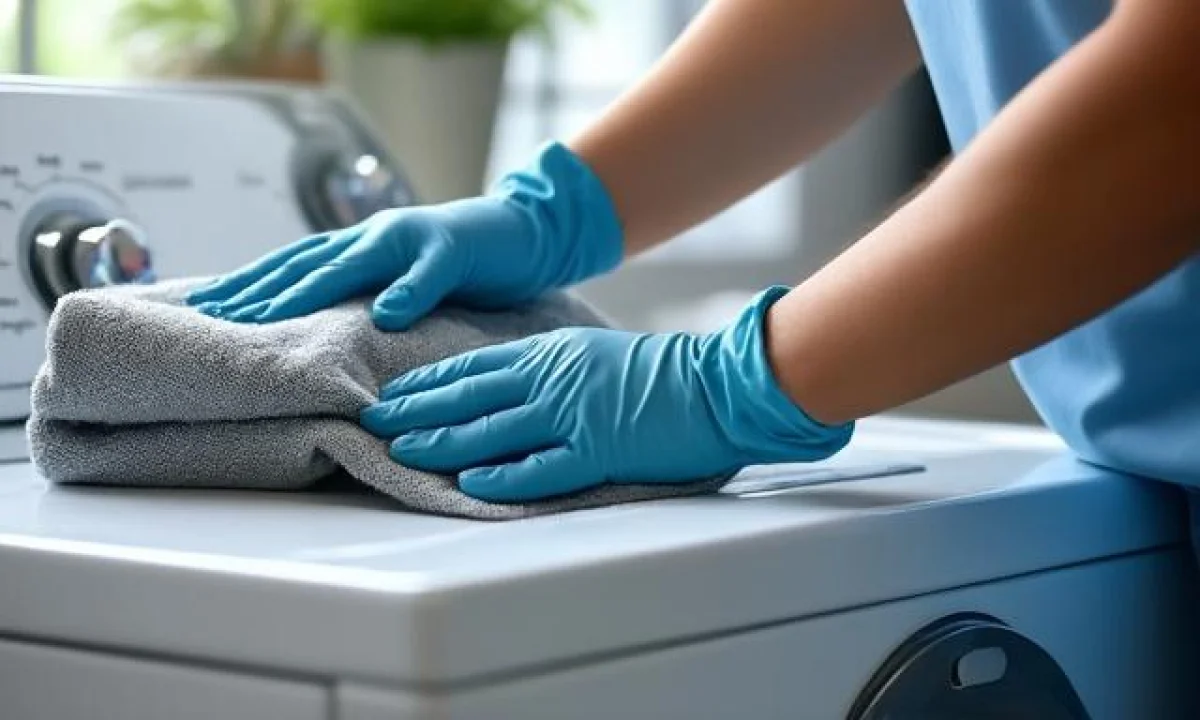
First things first: that grey gunk isn’t just ‘dirt.’ It’s a toxic cocktail of:
- Detergent residue: You’re probably using too much (most Brits do—we overpour by 30% on average, according to a 2022 study by Persil). That extra powder or liquid? It doesn’t dissolve properly, especially at lower temps, and it sticks to the walls of your machine like glue.
- Fabric fibres: Every wash, your clothes shed tiny fibres. Over time, they clump together with detergent and form that gross, slimy layer. If you wash a lot of synthetics (think cheap hoodies from Primark or polyester work shirts), this happens faster.
- Bacteria and mould: Warm, damp environments? Bacteria’s favourite holiday destination. Your washing machine is basically a five-star resort for them if you’re not cleaning it properly. And guess what? Those bacteria transfer onto your clothes, which is why your whites aren’t as white as they used to be.
- Limescale: If you’re on a hard water area (and let’s be real—most of the UK is), limescale is silently ruining your machine. It clings to the heating element, detergent drawer, and drum, making it harder for water to rinse properly. Result? More residue. More gunk. More frustration.
So, how do you know if your machine is in full-on ‘science experiment’ mode? Here’s what to look for:
- Your clothes smell musty even after a wash. (Yes, even if you use ‘fresh’ detergents.)
- There’s a visible grey or brown slime on the drum, detergent drawer, or door seal (if it’s a front loader).
- Your machine takes longer to drain than it used to.
- You’re using more detergent but your clothes still don’t feel clean.
- There’s a funny odour when you open the door—like wet dog or old socks.
If you’ve checked off even two of these, your machine is screaming for a deep clean. And no, ‘running an empty cycle with vinegar’ isn’t enough. That’s like trying to clean the Thames with a sponge. You need a full assault.
Step 1: Empty the Machine (And Don’t Skip This)
Before you even think about cleaning, you’ve got to empty the machine properly. This means:
- Run a short, hot (60°C) cycle to loosen up as much gunk as possible. Use half the usual detergent—you’re not washing clothes, you’re prepping for a deep clean.
- Once the cycle’s done, leave the door and detergent drawer open for at least 24 hours. This lets the machine dry out, which kills bacteria and prevents mould from growing back.
- Check the drain pump filter (usually at the front or bottom of the machine). If it’s clogged with hair, fibres, or god-knows-what, your machine isn’t draining properly. Clear it out now. (We’ll cover this in detail later—it’s a game-changer.)
Pro tip: If your machine has a self-clean function (common in newer models from brands like Bosch, Siemens, or Indesit), use it. But don’t rely on it alone—it’s not as thorough as a manual deep clean.
Step 2: The Detergent Drawer—Your Machine’s Silent Killer
The detergent drawer is where 90% of the gunk builds up. It’s dark, damp, and full of leftover detergent—basically, a bacteria buffet. Most people just rinse it under the tap and call it a day. That’s not enough.
Here’s how to nuke it properly:
- Remove the drawer. Most drawers pop out easily—just pull it towards you. If it’s stuck, check for hidden latches or clips.
- Soak it in hot water + baking soda. Fill a bowl with hot water (as hot as you can handle) and 3 tablespoons of baking soda. Let the drawer soak for at least 30 minutes. The baking soda will break down the gunk without scratching the plastic.
- Scrub the compartments. Use an old toothbrush (yes, the one you’ve been meaning to throw out) to scrub between the cracks. Pay special attention to the detergent compartment—this is where most of the buildup hides.
- Rinse and dry. Run it under hot water to flush out the baking soda, then dry it completely before putting it back. If you skip this step, you’re just inviting mould back.
While the drawer’s soaking, check the detergent drawer housing (the bit that stays in the machine). Use a microfibre cloth dipped in equal parts water and white vinegar to wipe it down. If it’s really grimy, sprinkle a bit of baking soda on the cloth for extra scrubbing power.
Why this works: Baking soda is a natural abrasive that lifts grime without damaging plastic. Vinegar cuts through soap scum and kills bacteria. Together? They’re a dynamic duo for cleaning.
The Deep Clean: 3 Methods to Blast That Grey Gunk Out (Ranked by Effectiveness)
Now for the main event. You’ve got three options here, ranked from most effective to ‘meh, but it’s something’. Pick one, or do them all if your machine is in critical condition.
Method 1: The Bleach Bomb (For Heavy-Duty Gunk)
If your machine looks like it’s been through a warzone (black slime, mould, and a smell that could knock out a horse), bleach is your best friend. Yes, it’s harsh, but it’s also the most effective way to kill bacteria and dissolve organic buildup.
What you’ll need:
1 litre of bleach (unscented, no additives—Cif Power & Fresh or Domestos Original work well). Hot water (60°C or higher).
Rubber gloves (bleach is nasty stuff—don’t skip this).
An old towel (to wipe up spills).
How to do it:
without any clothes. Add 1 litre of bleach to the detergent drawer. If your machine has a bleach dispenser, use that. If not, just pour it directly into the drum.
microfibre cloth dipped in equal parts water and bleach. This gets the spots the cycle might’ve missed.
at least 24 hours. This kills any remaining bacteria. Pros:
Kills 99.9% of bacteria and mould (including that ‘musty’ smell). Dissolves organic buildup (hair, fabric fibres, detergent gunk).
Works fast—one cycle and you’re done.
Cons:
Harsh on rubber seals (if your machine is old, bleach can degrade the door seal over time). If yours is over 10 years old, consider Method 2 instead. Strong smell (but it fades after 24 hours of airing out).
Not eco-friendly (if that’s a concern, skip to Method 3).
When to use it: If your machine has visible mould, black slime, or a strong odour, bleach is your best bet. Don’t use it more than once every 6 months—it’s a nuclear option, not a regular cleaner.
Method 2: The Vinegar + Baking Soda Combo (Gentle but Effective)
If your machine isn’t full-on disgusting but still has that grey residue, this method is less harsh but still highly effective. It’s also cheaper and eco-friendlier than bleach.
What you’ll need:
250ml of white vinegar (the cheap stuff from Tesco or Asda is fine). ½ cup of baking soda.
Hot water (40°C or higher).
An old toothbrush (for scrubbing).
How to do it:
no detergent. Add 250ml of vinegar to the detergent drawer.
pause it (most machines have a ‘pause’ or ‘door open’ function). If yours doesn’t, just stop it manually.
30 minutes—this gives it time to fizz and break down the gunk.
microfibre cloth dipped in equal parts water and vinegar. Scrub any stubborn spots with the toothbrush.
24 hours.
Why this works:
Vinegar cuts through soap scum and limescale (it’s a natural descaler). Baking soda lifts grime and deodorises (it neutralises smells, not just masks them).
The fizzing reaction (when vinegar and baking soda meet) helps loosen stuck-on gunk.
Pros:
Gentler on your machine (won’t degrade rubber seals like bleach). No harsh chemicals (safe for most surfaces).
Leaves a fresh smell (unlike bleach, which can linger).
Cons:
Takes longer to work (you’ve got to pause the cycle and let the baking soda sit). Not as strong as bleach for heavy mould or black slime.
When to use it: If your machine has light grey residue, a mild odour, or just needs a refresh, this is the best all-rounder. It’s what I recommend for most UK households—it’s effective, safe, and won’t cost you more than a few quid.
Method 3: The Citric Acid Power Wash (For Limescale Hell)
If you’re in a hard water area (like London, Birmingham, or Manchester), your machine is covered in limescale. That white, chalky buildup? It’s not just ugly—it traps detergent and bacteria, making your grey gunk problem worse. Citric acid is the best limescale remover out there, and it’s way cheaper than those overpriced ‘descaler’ products.
What you’ll need:
200g of citric acid powder (you can get this from Amazon, Wilko, or even some supermarkets for under £10). Hot water (60°C or higher).
A funnel (to pour the citric acid into the drum).
How to do it:
pause the cycle.
dissolve limescale and loosen up any gunk.
microfibre cloth dipped in hot water.
24 hours.
Why this works:
Citric acid is a natural descaler—it breaks down limescale without damaging your machine’s components. It’s more effective than vinegar for heavy limescale (vinegar works, but it takes 3-4 times longer).
It’s safe for rubber seals and plastic (unlike some commercial descalers).
Pros:
Dissolves limescale fast (one cycle is often enough). Cheaper than store-bought descalers (200g will last you multiple cleans).
No harsh fumes (unlike bleach or some chemical cleaners).
Cons:
Takes a bit of prep (you’ve got to pause the cycle and add the citric acid manually). Not as strong as bleach for bacteria (if you’ve got mould, do Method 1 first, then this).
When to use it: If you’re in a hard water area and your machine has visible limescale (white crusty bits on the drum or heating element), this is a must-do. Even if you don’t have limescale, doing this once every 6 months will prevent buildup and keep your machine running smoothly.
The Forgotten Steps: What 90% of People Skip (But You Won’t)
You’ve deep-cleaned the machine. Great. But if you skip these steps, the grey gunk will be back in no time. These are the hidden maintenance tasks that most people ignore—until their machine is beyond saving.
Step 1: Clean the Drain Pump Filter (The Silent Clogger)
Your washing machine’s drain pump filter is like the kidney of your machine. It catches hair, fabric fibres, and other gunk so they don’t clog up the drain. But if you never clean it, it gets blocked, and your machine starts draining slowly—or not at all.
Where is it?
Front-loaders: Usually at the front bottom of the machine (look for a small hatch or panel). Top-loaders: Often at the back bottom (you might need to pull the machine out slightly to access it).
How to clean it:
flathead screwdriver or a coin to turn it.
scrub off any gunk with an old toothbrush.
flashlight to see if there’s any debris stuck inside. If there is, fish it out with your fingers or a pair of tweezers.
tight—you don’t want leaks).
How often? Every 3 months. If you wash a lot of hairy clothes (think hoodies, towels, or your dog’s blanket), do it every 2 months.
What happens if you don’t? Your machine will drain slower, smell worse, and eventually break down because the pump has to work harder. Not cleaning this is like never changing your car’s oil—eventually, it’ll cost you.
Step 2: Descale Your Machine (Even If You Think You Don’t Need To)
Limescale isn’t just ugly—it’s silently ruining your machine. It traps detergent, reduces efficiency, and shortens the lifespan of your washing machine. If you’re on hard water (and let’s be real—most of the UK is), you need to descale.
How often? Every 6 months (or every 3 months if you’re in a very hard water area like London or Birmingham).
How to do it properly:
Use citric acid (as in Method 3 above)—it’s cheaper and more effective than those overpriced ‘descaler’ liquids. Run a full cycle at 60°C—hot water helps the citric acid work better.
Wipe down the drum and seals after the cycle—this removes any loose limescale.
Leave the door open to dry—prevents mould from growing back.
Signs you need to descale:
aren’t getting clean even with more detergent.
taking longer to drain.
white crusty buildup on the drum or detergent drawer.
smells musty even after cleaning.
What happens if you don’t? Your machine will work harder, use more energy, and break down faster. Over time, limescale can damage the heating element, which is an expensive fix (£100+ for a new one). Descaling is a £10 job that saves you £100s in repairs.
Step 3: Wash Your Machine’s ‘Invisible’ Parts (Most People Miss These)
Your washing machine has hidden spots where gunk builds up—spots most people never clean. If you skip these, the grey residue will keep coming back.
The spots you’re missing:
mould magnet. If it’s black or slimy, your clothes are getting contaminated every wash.
Full of gunk. Most people only clean the front of the drawer, not the tracks.
top and bottom edges of the drum collect detergent and fabric fibres. If you’ve never looked, check now—it’s probably disgusting.
won’t fill properly. You can’t see it, but if your machine is slow to fill, this might be why.
How to clean them:
equal parts water and white vinegar in a spray bottle.
generously and let it sit for 10 minutes.
old toothbrush to scrub between the folds of the rubber.
microfibre cloth dipped in hot water.
cotton bud dipped in vinegar to clean the tracks.
damp cloth to remove any residue.
hot wash cycle with vinegar (as in Method 2).
scrub the top and bottom edges of the drum with a microfibre cloth and baking soda.
back top of the machine).
needle or pipe cleaner to gently clear any debris from the holes.
short rinse cycle to test.
How often? Every time you deep clean your machine (so every 6 months for maintenance, immediately if you notice gunk building up).
How to Keep Your Washing Machine Clean (So You Never See Grey Gunk Again)
You’ve deep-cleaned your machine. Great. But if you go back to your old habits, the grey gunk will return in 3-6 months. Here’s how to keep your machine clean so it runs like new—permanently.
Rule #1: Stop Overloading Your Machine (Yes, You’re Doing It Wrong)
Most people pack their washing machine like it’s the Tube at rush hour. But overloading does three terrible things:
- Prevents proper cleaning: Clothes need space to move so water and detergent can circulate. If your machine is stuffed, your clothes aren’t getting clean—and detergent residue builds up faster.
- Traps lint and fibres: When clothes are crammed in, fabric fibres don’t rinse out properly. They stick to the drum and turn into grey gunk.
- Strains the machine: Over time, overloading wears out your machine’s motor and suspension. Result? A £300 repair bill when it finally gives out.
How to load it right:
only to the recommended level (check your manual—most top-loaders should be filled to the top of the door, front-loaders ¾ full). Don’t stuff it. If you can’t close the door easily, you’ve overloaded it.
Separate heavy and light items. Jeans and towels should not be washed with delicate fabrics—they trap lint and wear out the machine faster. Pro tip: If you must wash a big load (like a duvet cover), reduce the spin speed (most machines let you do this). High spin speeds with overloaded machines can damage the drum over time.
Rule #2: Use the Right Detergent (And Stop Overpouring)
You’re probably using too much detergent. And that’s why your clothes have grey residue. Here’s why:
- Too much detergent = too much residue: When you overpour, the detergent doesn’t dissolve properly, especially at 40°C. It sticks to your clothes and the drum, turning into that grey slime.
- Cheap detergent = more gunk: Those £1 ‘special offer’ detergents from supermarkets? They’re full of fillers that don’t dissolve well. Result? More buildup.
- Fabric conditioner is the enemy: It coats your clothes in a waxy layer that traps dirt and detergent. If you use it, your machine will get grimy faster.
How to use detergent properly:
Measure it. Most detergents have a cap or measuring cup—use it. Don’t just eyeball it. Use less than you think. The average UK household overpours by 30% (Persil study, 2022). Cut your amount by 20% and see if your clothes are still clean.
Wash at 60°C when you can. 40°C isn’t hot enough to dissolve detergent properly, especially if you’re using too much. If you’re worried about energy costs, wash at 30°C for lightly soiled clothes, but 60°C for whites and towels.
Switch to a liquid or powder detergent. Gel detergents (like those in capsules) don’t rinse out as well and can leave more residue.
Avoid fabric conditioner. If you must use it, cut the amount in half and only use it every other wash. Better yet, switch to white vinegar (½ cup in the detergent drawer)—it softens clothes naturally and doesn’t leave gunk. Best detergents for UK hard water (ranked):
Detergent Why It’s Good Price (for 1.5kg/1.5L) Persil Small & Mighty Liquid Highly concentrated, works well in hard water, low residue. The #1 recommended by UK washing machine repair techs. ~£12 (lasts 20+ washes) Fairy Non-Bio Powder Great for hard water, dissolves completely, cheaper than liquid. A classic UK favourite for a reason. ~£8 (lasts 25+ washes) Ecover Zero Liquid Eco-friendly, low residue, good for sensitive skin. Not as strong as Persil, but great if you’ve got allergies. ~£10 (lasts 15+ washes) Surf Excel Automatic Powder Budget-friendly, works well in hard water, good for whites. A solid mid-range option. ~£6 (lasts 20+ washes)
Pro tip: If you’re really struggling with residue, try washing a load with just hot water and ½ cup of white vinegar once a month. It strips out built-up detergent and resets your machine.
Rule #3: Run a Maintenance Wash Every Month (It Takes 10 Minutes)
You don’t need to deep clean your machine every month—but you do need to maintain it. A quick monthly wash keeps the grey gunk at bay and extends your machine’s lifespan.
How to do it:
hot (60°C) empty cycle.
½ cup of white vinegar to the detergent drawer.
normally.
wipe the drum and door seal with a microfibre cloth.
Why this works:
Vinegar cuts through any new buildup before it becomes a problem. Hot water kills bacteria that cause smells.
It only takes 10 minutes—less time than scrolling through Instagram.
Pro tip: If you smell a musty odour between maintenance washes, run a cycle with 1 cup of baking soda instead of vinegar. Baking soda neutralises smells better.
Rule #4: Know When to Call a Pro (And When to DIY)
Some problems? You can fix them yourself. Others? You’re better off calling a repair tech before you break something worse. Here’s the DIY vs. Pro checklist:
| Problem | DIY? | Pro? | Estimated Cost |
|---|---|---|---|
| Grey residue on clothes | ✅ Yes (follow this guide) | ❌ No | £0-£10 (vinegar, baking soda, citric acid) |
| Machine smells musty | ✅ Yes (deep clean + maintenance washes) | ❌ No | £0-£10 |
| Machine won’t drain | ✅ Maybe (check drain pump filter first—see Step 1 above) | ✅ Yes, if DIY doesn’t work (could be a blocked pipe or faulty pump) | £0 (if it’s the filter) / £80-£150 (if it’s the pump) |
| Machine leaks water | ❌ No (could be a broken hose or seal) | ✅ Yes (don’t risk electrocution) | £50-£200 (depending on the part) |
| Machine makes loud noises | ❌ No (could be a broken suspension or motor issue) | ✅ Yes (unless it’s just an unbalanced load) | £60-£200 |
| Heating element not working | ❌ No (requires multimeter to test) | ✅ Yes (common issue with limescale buildup) | £100-£180 (for part + labour) |
Where to find a good repair tech in the UK:
4+ star reviews. Avoid ‘man with a van’ ads on Facebook—some are legit, but many aren’t.
trusted tradesmen.
washing machine cover—check your policy).
1 hour. They charge double and often upsell unnecessary parts.
Pro tip: If your machine is over 10 years old, ask the engineer for a quote to replace it while they’re there. If the repair costs more than £150, it’s often cheaper to buy a new one. (A decent second-hand machine from eBay or Facebook Marketplace can be had for £100-£200.)
There you have it. No more grey gunk. No more musty smells. No more washing clothes that look like they’ve been dragged through a London Underground tunnel. Your washing machine? It’s now cleaner than it’s been in years—and if you follow the maintenance rules, it’ll stay that way.
Here’s what you need to do next:
- Pick a deep-clean method (bleach for heavy gunk, vinegar+baking soda for maintenance, citric acid for limescale). Do it this weekend. Don’t put it off—your clothes (and your nose) will thank you.
- Clean the drain pump filter (it takes 10 minutes, and it’ll prevent future clogs).
- Switch to a better detergent (Persil or Fairy Non-Bio are your best bets for hard water). Measure it properly—no more overpouring.
- Set a calendar reminder for monthly maintenance washes (vinegar or baking soda). 10 minutes a month = a machine that lasts 10+ years.
If you skip this, the grey gunk will come back. And next time, it’ll be worse. But if you do the work now, your washing machine will run like new for years—and your clothes? They’ll finally look (and smell) the way they should.
Now go clean that machine. And when you’re done, treat yourself to a fresh-smelling load of laundry**—you’ve earned it.
Why is my washing machine leaving gray residue?
Your washing machine might be leaving gray residue due to a build-up of detergent or fabric softener. Over time, these products can accumulate in the drum and hoses, especially if you’re using too much. Regular cleaning can prevent this mess and keep your machine running smoothly.
How do I clean a washing machine with gray residue?
To clean a washing machine with gray residue, run a hot cycle with white vinegar or baking soda. This helps break down any build-up. Make sure to wipe down the drum and seal after the cycle to remove any remaining residue. It’s a straightforward fix!
Can I use bleach to clean my washing machine?
Yes, you can use bleach to clean your washing machine, but dilute it properly. Mix one cup of bleach with a hot cycle to disinfect and break down residue. Just remember to run an additional cycle with water afterward to rinse it all out—no one wants bleachy clothes!
How often should I clean my washing machine?
You should aim to clean your washing machine every month. Regular cleaning prevents build-up and keeps your laundry fresh. A quick monthly routine, like running a vinegar cycle, can save you from bigger headaches down the line.
What can I do to prevent gray residue in my washing machine?
To prevent gray residue, use the right amount of detergent and avoid fabric softeners if possible. Make sure to leave the door open after washes to let it dry out. Small changes can make a big difference, mate!
Is gray residue harmful to my clothes?
Gray residue isn’t harmful, but it can make your clothes look dingy and smell musty. It’s a sign your washing machine needs a good clean. Keeping your machine fresh ensures your laundry comes out looking and smelling great.