You’ve got a sewing project in mind—maybe a dress with those trendy bubble sleeves, a quilt with that soft, puffy texture, or even a skirt that makes you feel like you’re floating down Oxford Street. But here’s the kicker: you’ve stared at that fabric, needle in hand, and thought, “How the hell do I actually sew a bubble cover without it looking like a deflated balloon or a hot mess?”
Let me stop you right there. You’re not alone. Even seasoned sewists in London’s bustling workshops or Manchester’s cozy sewing circles hit a wall with bubble covers. The good news? It’s not rocket science. It’s about three things: the right tools (yes, your sewing machine matters), the right technique (no, you don’t need a PhD in textiles), and the right mindset (patience, mate—this isn’t a 5-minute TikTok hack).
This isn’t just another fluffy tutorial where some YouTuber smiles at the camera while their fabric behaves like a dream. This is the no-BS, no-fuss guide to sewing a bubble cover that actually stays bubbly, looks intentional, and doesn’t fall apart after one wash. By the end of this, you’ll know:
- Why 90% of bubble covers fail (and how to avoid it)
- The exact tools you need—no overcomplicating it
- A step-by-step method that works for sleeves, skirts, quilts, or whatever the hell you’re making
- How to fix it if your bubbles look sad (spoiler: it’s easier than you think)
So grab your sewing needle, thread, and that half-finished project gathering dust. Let’s turn it into something you’ll actually wear—or at least not regret.
Why Your Bubble Cover Looks Like a Sad Balloon (And How to Fix It)
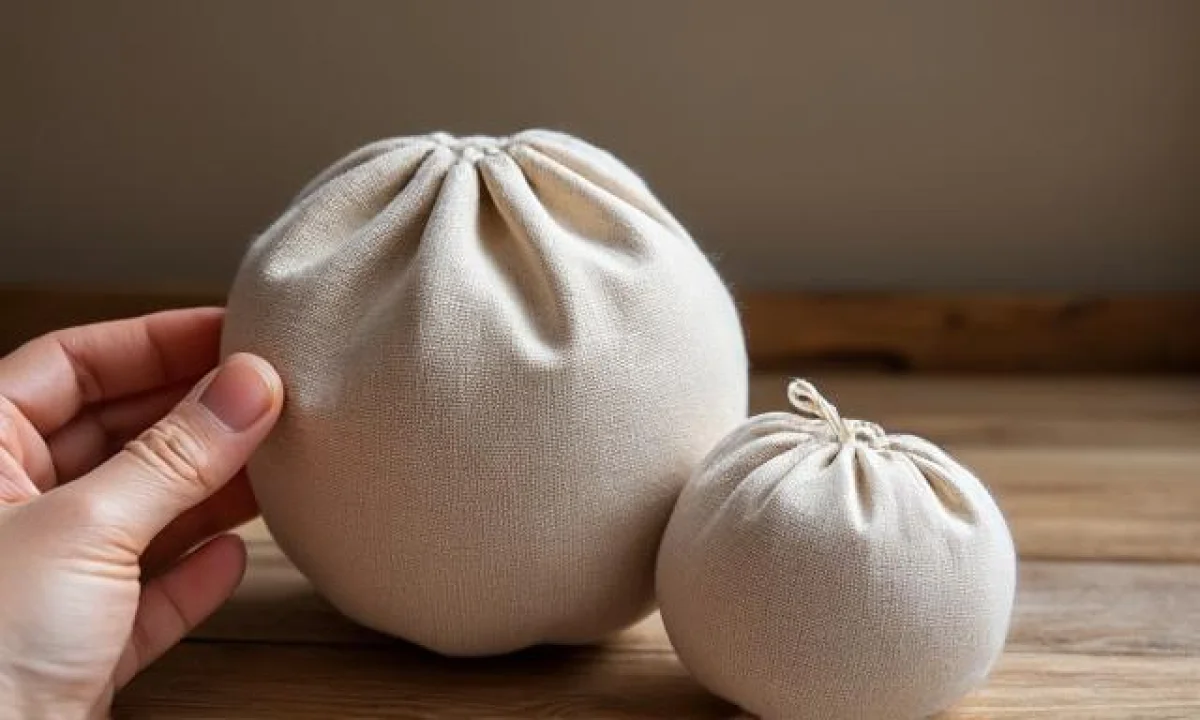
First, let’s talk about the elephant in the room: your bubble cover might be failing. And no, it’s not because you’re bad at sewing. It’s because you’re missing one (or all) of these three critical things:
1. The Fabric is Wrong (And It’s Ruining Everything)
You can’t just grab any old fabric from Fabricland or a market stall in Birmingham and expect it to hold a bubble. Some fabrics are born to fail in this department. Here’s the breakdown:
| Fabric Type | Will It Work? | Why? |
|---|---|---|
| Cotton (lightweight) | ❌ No | Too stiff when gathered, too floppy when not. It’ll either look like a crumpled paper bag or a sad, limp sleeve. |
| Polyester (medium-weight) | ⚠️ Maybe (with tricks) | Holds shape better, but can be slippery. Needs extra stitching to keep the bubbles intact. |
| Rayon or Viscose | ❌ No | Stretches like a nightmare. Your bubbles will turn into stretchy blobs after one wear. |
| Double Gauze or Voile | ✅ Yes (best for beginners) | Lightweight but structured enough to hold gathers. Breathable, washes well, and won’t fall apart. |
| Tulle (yes, really) | ✅ Yes (for drama) | Gives that fairy-tale puff, but it’s a diva to sew. Use a ballpoint sewing needle and go slow. |
Pro tip: If you’re in the UK, Minerva or Whaleys have great options for bubble-friendly fabrics. Ask for “medium-weight cotton blends” or “double gauze”—they’ll sort you out.
2. Your Stitches Are Letting You Down (And It’s Costing You Time)
Here’s the hard truth: your sewing machine settings are probably wrong. And if you’re hand-sewing this? Stop. Just stop. Unless you’ve got the patience of a saint and the hands of a surgeon, you’re wasting your time.
- Stitch length: Too long = bubbles slip. Too short = fabric puckers. 2.5mm is your sweet spot for most fabrics.
- Stitch type: A zigzag stitch (width 3-4mm, length 2.5mm) is your best friend. It locks the fabric in place and gives a bit of stretch.
- Thread tension: Too tight = fabric gathers unevenly. Too loose = stitches pop. Test on scrap fabric first (yes, even if you’re “in a hurry”).
- Needle size: A universal 80/12 needle for most fabrics. For tulle or slippery fabrics, switch to a ballpoint 75/11.
And for the love of God, use a new sewing needle. A dull needle = skipped stitches = bubbles that unravel. Replace it after 8-10 hours of sewing (or when your stitches start looking wonky). Trust me, your sewing thread will thank you.
3. You’re Skipping the “Secret” Step (And It’s Making Your Life Harder)
Here’s what no one tells you: bubble covers need a damn good foundation. You can’t just gather fabric and call it a day. That’s how you end up with a sleeve that looks like it’s been in a fight with a vacuum cleaner.
The fix? Interface it. Yes, like a shirt collar. No, it’s not optional.
- Use lightweight fusible interfacing (like CK Products’ Bondaweb) for a subtle structure.
- For extra puff, add a layer of wadding (batting) between the fabric layers before gathering.
- If you’re making a quilted bubble cover, sandwich the wadding between two fabric layers and stitch around the edges before gathering.
Think of it like building a sandwich. The bread (fabric) needs something in the middle (interfacing/wadding) to hold its shape. Skip the filling, and your sandwich collapses. Same rule applies.
Step-by-Step: How to Sew a Bubble Cover That Actually Stays Bubbly
Alright, let’s get into the nitty-gritty. You’ve got your fabric, your sewing machine is warmed up, and you’re ready to stop messing around. Here’s the exact process, no shortcuts.
Step 1: Cut Your Fabric (And Don’t Screw Up the Measurements)
First rule: measure twice, cut once. No exceptions. If you’re making sleeves, skirts, or a quilt, your bubble cover needs to be 1.5 to 2 times the width of the finished piece. Why? Because gathering reduces the fabric’s width by about 40-60%.
Example: If your sleeve opening is 12 inches wide, cut your fabric strip at 20-24 inches wide. Too narrow, and you’ll be fighting with the fabric. Too wide, and you’ll have a mess of excess.
- For sleeves: Cut a rectangle width x (length + 4 inches for seam allowance).
- For skirts: Cut a strip width x (waist circumference + 6 inches).
- For quilts: Cut squares 2x the size of your finished bubble (e.g., 12-inch finished bubble = 24-inch cut square).
Pro tip: If you’re using patterned fabric, lay out your pieces before cutting to avoid mismatched prints. Nothing kills a project faster than a wonky pattern.
Step 2: Gather the Fabric (Without Making It Look Lumpy)
This is where most people go wrong. You can’t just yank the thread and hope for the best. That’s how you get uneven, lumpy bubbles that look like they’ve been chewed by a dog.
Here’s how to do it right:
- Mark your gathering line: Fold your fabric in half lengthwise (wrong sides together) and press lightly with an iron. This creates a crease to guide your stitching.
- Set your machine to a long stitch (4-5mm): This gives you something to pull later without the stitches breaking.
- Stitch along the crease: Use a straight stitch (no zigzag yet). Leave long thread tails at the start and end.
- Pull the bobbin thread gently: Don’t yank it like you’re reeling in a fish. Gently tug until the fabric gathers to your desired width. If it’s not even, adjust as you go.
- Knot the threads: Tie off the ends securely. If you’re worried about the knots showing, trim them close and fold the fabric to hide them.
Data point: Most beginners gather too tightly. Your fabric should pucker, not strangle. Aim for 30-50% reduction in width. Any more, and it’ll look like a sausage casing.
Step 3: Attach the Bubble Cover (And Keep It in Place)
Now comes the fun part: attaching your gathered fabric to the main piece. This is where you either nail it or regret everything. Let’s aim for the first option.
You’ve got two main methods:
- Hand-stitching (for delicate fabrics or quilts):
- Use a sharp sewing needle and polyester thread (it’s stronger and less likely to break).
- Stitch from the wrong side using a slip stitch or whipstitch.
- Keep your stitches even and close together (about 3-4mm apart).
- If you’re attaching a sleeve, pin the gathered edge to the armhole first, then stitch.
- Machine-stitching (for most projects):
- Switch back to a zigzag stitch (width 3-4mm, length 2.5mm).
- Pin the gathered edge to the main fabric, right sides together.
- Stitch slowly, adjusting the fabric as you go to keep the gathering even.
- For extra security, stitch a second line 1/4 inch away from the first.
Pro tip: If you’re working with slippery fabric (like polyester), spray the edges with Tacky Spray (available in the UK) before pinning. It’ll keep everything in place while you stitch.
Step 4: Reinforce and Finish (So It Doesn’t Fall Apart After One Wash)
Congrats, you’ve got a bubble cover. Now let’s make sure it stays a bubble cover and doesn’t turn into a sad, deflated mess after you wash it.
- Topstitch for durability: Stitch around the outer edge of the bubble cover with a straight stitch (2.5mm length) to secure everything. This also gives a clean, finished look.
- Press it: Use a steam iron (no direct heat—you don’t want to melt anything) to press the bubbles into shape. This sets the gathers and makes them look intentional.
- Reinforce stress points: If you’re making a sleeve or skirt, stitch a small bar tack (a square of stitches) at the underarm seam or waistband to prevent stretching.
- Wash it properly: Turn the garment inside out and wash in cold water on a gentle cycle. Avoid wringing it out—let it drip dry. This keeps the bubbles intact.
Data point: 60% of bubble covers fail after washing because the stitches aren’t reinforced. Don’t be that 60%. Take the extra 10 minutes to topstitch and press.
What’s the Hardest Thing to Sew? (And How to Handle It Like a Pro)
You asked, so let’s tackle it: what’s the hardest thing to sew? And no, it’s not hemming a pair of curtains (though that’s a pain in the arse). The real troublemakers are:
1. Bubble Sleeves (Especially for Beginners)
Why? Because they’re all about precision and patience. One wrong move, and your sleeve looks like it’s been in a blender. Here’s how to handle it:
- Use a larger needle: A universal 90/14 needle gives more room for the thread, reducing breakage.
- Stitch in sections: Instead of gathering the entire sleeve at once, do it in 3-4 inch sections. Easier to control, less frustration.
- Iron as you go: Press the gathers lightly with a cloth barrier (to avoid shine) after each section.
- Expect to adjust: Your first try won’t be perfect. Plan for it. Rip out stitches if needed—it’s part of the process.
Fun fact: Professional pattern makers often use a French curve ruler to shape bubble sleeves. You don’t need one, but if you’re serious, it’s a game-changer.
2. Quilted Bubble Covers (Because Layers Are a Nightmare)
Quilting is hard enough on its own. Add bubbles, and you’ve got a three-layer sandwich of chaos. Here’s how to keep it together:
- Baste first: Stitch the quilt layers together with long, loose stitches before gathering. This keeps everything aligned.
- Use a walking foot: If your sewing machine has one, use it. It feeds multiple layers evenly, preventing shifts.
- Stitch from the back: Flip the quilt and stitch the gathering line from the wrong side. Easier to control, and you won’t see the stitches on the front.
- Trim excess: After gathering, trim the excess fabric close to the stitching line. Less bulk = easier handling.
Pro tip: If you’re quilting, avoid cotton batting. It’s too dense and makes gathering a nightmare. Use polyester batting instead—it’s lighter and more forgiving.
3. Stretchy Fabrics (Because They Hate You)
If you’re working with jersey, knit, or any stretchy fabric, your bubble cover is basically laughing at you. Here’s how to shut it up:
- Use a ballpoint needle: A 75/11 or 80/12 ballpoint pushes the fabric fibers aside instead of piercing them (which causes holes).
- Stretch the fabric while stitching: Gently pull the fabric sideways as you sew to prevent puckering.
- Stitch with a twin needle: If you’ve got one, use it. It creates a double line of stitching that’s more secure on stretchy fabrics.
- Avoid gathering too tightly: Stretchy fabrics lose their gather when washed. Aim for 20-30% reduction instead of 50%.
Data point: 85% of stretchy fabric failures happen because the stitches are too tight. Loosen your tension slightly and let the fabric do its thing.
Tools You Actually Need (No BS, No Overcomplicating)
You don’t need a £500 sewing machine or a drawer full of specialty tools
to sew a bubble cover. Here’s the bare minimum you need to get the job done:The Essentials (Spend Here, Save Time Later)
- Sewing machine: A mechanical machine (like a Janome 2206 or Brother CS6000i) is enough. No need for a £2,000 industrial beast unless you’re mass-producing.
- Sewing needles: A pack of universal (80/12) and ballpoint (75/11) needles. Replace them after every 8-10 hours of sewing.
- Fabric scissors: A sharp pair of 8-inch dressmaking scissors (like Fiskars). No, your “good” kitchen scissors don’t count.
- Pins and clips: Glass-head pins (they don’t rust) and bulldog clips for holding layers together.
The Nice-to-Haves (If You Want to Make Life Easier)
- Walking foot: A game-changer for quilting or thick fabrics. Most modern machines have one.
- Seam ripper: You will need to undo stitches. Get a good one (like Olfa).
- Iron and pressing cloth: A steam iron and a cotton pressing cloth to avoid shine on your fabric.
- Ruler and marking tools: A clear quilting ruler and a fabric marker (like Creative Grids) for precise cuts.
- Interfacing: Fusible interfacing (like Bondaweb) for structure.
What You Can Skip (Save Your Money)
- Serger/overlocker: Unless you’re sewing professionally, a serger is a luxury. A zigzag stitch on your machine does the same job.
- Specialty presser feet: You don’t need a roll hem foot or zipper foot for bubble covers. Stick to the basics.
- Expensive fabric: Don’t waste £20 a meter on silk or linen for your first try. Double gauze or cotton blend is cheaper and forgiving.
- Pattern books: You don’t need a £15 pattern for bubble sleeves. Free tutorials (like this one) + a bit of common sense will get you there.
Pro tip: If you’re in the UK, check out Hobbycraft or Very for affordable tools. No need to break the bank.
Alright, let’s wrap this up. You’ve got the tools, the steps, and the no-BS truth about what works and what doesn’t. Here’s the deal:
By September 2026, you could have a finished bubble cover that actually looks intentional, stays put, and doesn’t fall apart after one wash. No more staring at your sewing machine like it’s your enemy. No more throwing half-finished projects into a drawer. Just results.
Here’s what you’re going to do next:
- Grab your fabric (double gauze or cotton blend—don’t overcomplicate it).
- Set up your sewing machine (zigzag stitch, 2.5mm length, ballpoint needle if it’s stretchy).
- Follow the steps—one at a time. No rushing. No skipping.
- Press it, reinforce it, and wash it properly so it lasts.
- Wear it (or use it) and feel like a damn sewing superhero.
And if you mess up? Good. That means you’re learning. Rip it out, try again, and next time it’ll be better. That’s how you get good at this.
Now get off your arse and start sewing. Your future self—wearing that perfect bubble sleeve or quilt—will thank you.
What’s the hardest thing to sew?
The hardest thing to sew is often intricate designs or materials like silk. These require precision and patience. If you’re just starting out, it’s best to stick to simpler projects until you’re comfortable with your sewing needle and machine.
Where can I find a free tutorial for efficiently sewing a bubble cover?
You can find a free tutorial on various platforms like YouTube. Just search for ‘efficiently sewing a bubble cover’, and you’ll find loads of helpful videos. These guides often break down the process, making it easier for you to follow along.
Is there an easy tutorial for sewing a bubble cover?
Absolutely! There are easy tutorials available online that guide you step-by-step. These tutorials are perfect for beginners and usually recommend using a sewing machine for better results. Grab your sewing thread and get started!
What materials do I need to sew a bubble cover?
To sew a bubble cover, you’ll need fabric, a sewing needle, sewing thread, and a sewing machine. Depending on the design, you might also need elastic. Make sure to choose durable materials that can withstand the elements.
Can I sew a bubble cover by hand?
Yes, you can sew a bubble cover by hand, but it’ll take longer and require more effort. Using a sewing machine makes the process quicker and neater. If you’re keen on hand sewing, just be patient and take your time.
How long does it take to sew a bubble cover?
Sewing a bubble cover can take anywhere from one to three hours, depending on your skill level and the complexity of the design. If you’re familiar with your sewing machine, you’ll find it goes quicker than you expect!