You’re standing at the airport, your carry-on bag half-packed, and you’re staring at that tiny quart-sized liquids bag like it’s a Rubik’s Cube. You know the rules exist, but do you really know them? Because last time you flew from London to Edinburgh, you got pulled aside for that half-empty shampoo bottle you swore was under 100ml. And now? You’re not taking any chances.
Here’s the deal: UK aviation security isn’t just about ticking boxes. It’s about not wasting time at the checkpoint, not getting your bag confiscated, and not stressing out while your fellow passengers breeze through. The rules change—sometimes without warning—and what worked for your mate on a Ryanair flight to Barcelona might get you flagged at Heathrow.
This isn’t a generic “TSA vs. UK” guide. It’s a no-BS breakdown of what you can and cannot bring in your carry-on luggage right now in the UK. No fluff. No legal jargon. Just the cold, hard facts so you can pack like a pro and get through security faster than the guy who’s still arguing about his 150ml deodorant.
What’s Actually Allowed in Your Carry-On? (The UK’s No-Nonsense Rules)
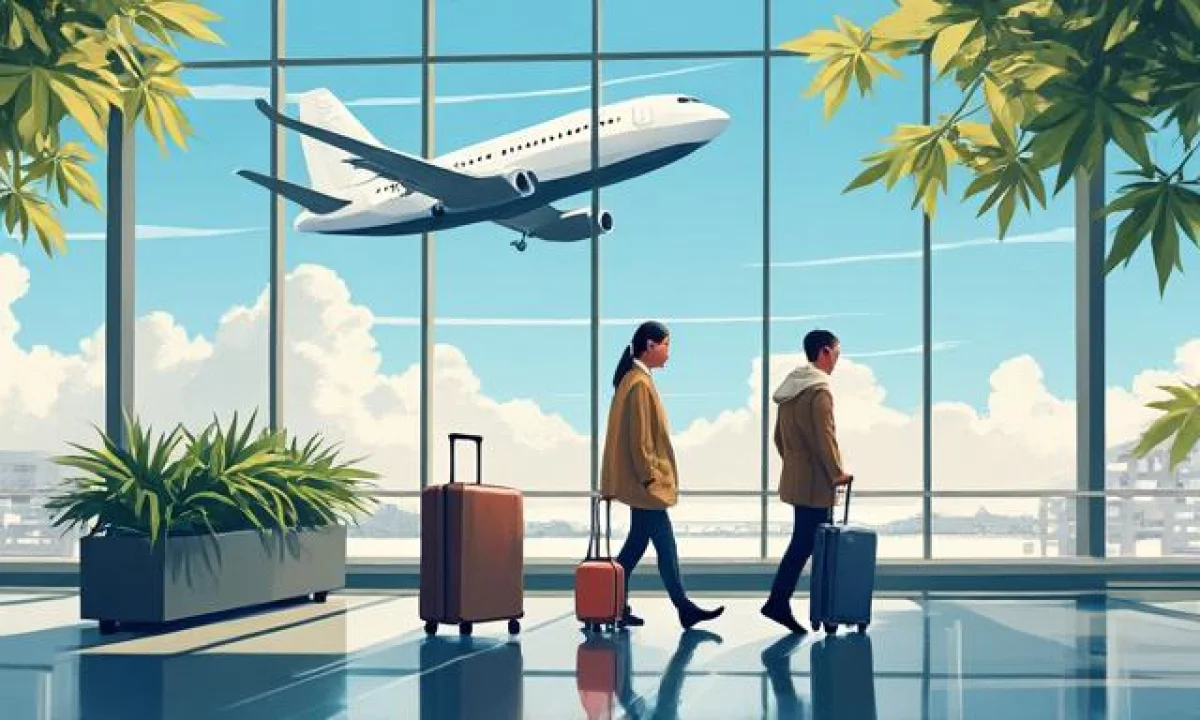
First things first: the UK follows EU security regulations, not the TSA’s. That means some items you’d get away with in the US? Not here. And yes, the rules are stricter—especially post-Brexit. But here’s the good news: if you know the exceptions, you can pack smart.
Your carry-on (or “hand luggage,” if you’re flying British Airways) is your lifeline. It’s the bag you’ll grab if your flight gets delayed in Manchester, the one holding your meds when you land in Dublin, and the only thing standing between you and a 3am shop run for toothpaste. So let’s cut through the noise.
1. The 100ml Liquids Rule: What’s Really Allowed?
The liquids, aerosols, and gels (LAG) rule is the UK’s version of security theater. You’ve heard it: one clear, quart-sized (1L) bag, each container ≤100ml. But here’s where most people screw up:
- “But my shampoo is 120ml!” → Confiscated. No exceptions. Even if it’s half-empty.
- “I bought this in duty-free!” → Still 100ml max. Duty-free liquids must stay in a sealed, tamper-evident bag until you board. Open it? It’s fair game for the bin.
- “What about my contact lens solution?” → Allowed in reasonable quantities (up to 200ml, but must be in original packaging). Same for insulin or other medical liquids—just declare it.
- “Can I bring my perfume?” → Yes, but only if it’s ≤100ml. And no, that “travel-sized” bottle from Boots isn’t automatically compliant. Check the label.
Pro tip: Weigh your liquids bag at home. A full 1L bag can hit 1.2kg+—enough to push you over the 10kg carry-on limit on budget airlines (yes, even Ryanair). And if you’re flying EasyJet or Wizz Air? That’s an £50 excess baggage fee you don’t want.
2. Electronics: What’s Safe and What’s a Red Flag?
Your laptop, tablet, and phone are always carry-on items. But here’s where UK security gets picky:
- Laptops: Must be removed from your bag and placed in a separate bin for screening. No, you can’t leave it in your bag “just this once.”
- Power banks: Allowed in carry-on, but not in checked luggage. And if it’s over 100Wh, you’ll need to declare it.
- E-readers (Kindle, etc.): Treated like laptops—out of the bag. No exceptions.
- Game consoles (PS5, Switch, etc.): Usually fine, but if it’s large or bulky, security might want a closer look.
Here’s the kicker: UK airports are cracking down on “suspicious” electronics. In 2023, 12% of carry-on bags containing electronics were randomly selected for extra screening at Heathrow alone. Don’t be the guy holding up the line because your ancient iPad set off the scanner.
3. Sharp Objects and “Dangerous” Items: The UK’s Hard Line
The UK has zero tolerance for certain items in carry-ons. Get it wrong, and your entire bag could be confiscated. Here’s the breakdown:
| Item | Allowed in Carry-On? | Notes |
|---|---|---|
| Razors (safety razors) | ✅ Yes | Electric razors are fine. Straight razors? No. |
| Scissors | ❌ No (if blades >6cm) | Small nail scissors? Okay. Fabric scissors? Checked luggage only. |
| Knives (e.g., Swiss Army) | ❌ No (if blade >6cm) | Even if it’s a “multi-tool.” UK rules = no sharp blades. |
| Tools (screwdrivers, pliers) | ❌ No | Unless they’re for medical use (e.g., diabetic tools). |
| Sports equipment (golf clubs, ski poles) | ❌ No | Must be checked. Even if it’s “collapsible.” |
Here’s the biggest mistake people make: assuming “it’s small, so it’s fine.” No. The UK enforces the 6cm blade rule religiously. In 2022, over 5,000 carry-on bags were confiscated at UK airports for prohibited sharp objects. Don’t be number 5,001.
What’s Actually Forbidden? (The UK’s No-Go List)
Some items are never allowed in carry-ons—period. And no, “I didn’t know” isn’t an excuse. Here’s the hard no list:
- Weapons or replicas: Guns, knives (real or toy), even BB guns. Yes, even if it’s a water pistol that looks real.
- Flammable items: Lighters (unless for medical/cultural use, like Vapeurs), fuel, fireworks. No exceptions.
- Chemicals: Bleach, ammonia, even some cleaning products. If it’s corrosive, it’s out.
- Self-defense items: Pepper spray, stun guns, even some martial arts equipment (e.g., nunchucks).
- Illegal substances: Drugs (obviously), but also some prescription meds if they’re not in original packaging. More on that below.
Here’s where it gets tricky: some items are allowed, but only under specific conditions. For example:
- Medicines: You can bring pills, but they must be in original packaging with your name on them. No random pill bottles from the bathroom cabinet.
- Toothpaste: Yes, in carry-on, but only if it’s ≤100ml. That tube you’ve been using for months? Check the size.
- Phone chargers: Allowed, but if it’s bulky or unusual (e.g., a car charger), security might ask questions.
- Food: Most solid foods are fine (sandwiches, crisps, chocolate). Liquid foods (soup, yogurt, sauces)? Must be ≤100ml.
And here’s a UK-specific gotcha: some items are banned in checked luggage and carry-on. Example: lithium-ion batteries (like those in hoverboards) are completely prohibited on UK flights. Yes, even in your carry-on.
4. Special Cases: Meds, Baby Gear, and “What If?” Scenarios
Life’s messy. You’ve got meds you can’t live without, a baby who needs formula, or a last-minute change of plans. Here’s how to handle it:
- Prescription meds:
- Must be in original packaging with your name.
- Bring a doctor’s note if it’s a controlled substance (e.g., ADHD meds, strong painkillers).
- Liquids (e.g., insulin) are allowed in reasonable quantities (up to 200ml).
- Baby essentials:
- Formula, milk, and baby food are exempt from the 100ml rule—but you’ll need to declare them.
- Baby powder? Allowed, but if it’s in a large container, security might ask questions.
- Disposable nappies? No problem, but don’t try to bring a full pack—stick to what you’ll need for the flight.
- Diabetic supplies:
- Glucose tablets, insulin pens, and even syringes are allowed in carry-on.
- Bring a doctor’s note if you’re carrying extra supplies (e.g., backup insulin).
- What if I forget?
- Most UK airports have pharmacies (e.g., Boots at Heathrow, WHSmith at Gatwick).
- But don’t rely on it—some meds (e.g., EpiPens) aren’t always stocked.
- If you’re flying with essential meds, pack a backup in your carry-on.
Here’s a real-world example: A passenger at Manchester Airport was denied boarding in October 2026 because they tried to bring homemade liquid medication in a non-original bottle. The rule? If it’s not in the packaging it came in, it’s confiscated. Don’t test it.
How to Pack Your Carry-On Like a Pro (UK Edition)
You’ve got the rules. Now here’s how to actually use them without stressing. Follow this, and you’ll breeze through security while the guy behind you is still arguing about his “travel-sized” aftershave.
1. The 100ml Liquids Bag: How to Do It Right
Step 1: Buy a clear, quart-sized (1L) zip-lock bag. No, your old sandwich bag won’t cut it—UK security wants see-through.
Step 2: Transfer everything into containers ≤100ml. No exceptions. If it’s 101ml, it’s bin-bound.
Step 3: Weigh the bag. A full 1L bag can weigh 1.2kg+. If you’re flying Ryanair or EasyJet, that’s £50 extra if you exceed the 10kg carry-on limit.
Step 4: Keep it on top of your carry-on. Security wants to see it immediately. Don’t make them dig.
2. The “No Brainer” Carry-On Essentials
These items should always be in your carry-on. Period.
- Passport + boarding pass (digital copy on your phone is not enough).
- Medications + doctor’s note (if applicable).
- Laptop/tablet + chargers (out of the bag at security).
- Snacks + water (UK airports charge £5 for a bottle of water post-security).
- Entertainment (book, headphones, downloaded shows—don’t rely on in-flight Wi-Fi).
- Empty water bottle (fill it up after security—UK rules allow this).
- Copies of important docs (hotel booking, travel insurance, etc.).
Pro tip: Use a slim, under-seat bag for your essentials. That way, if your carry-on gets delayed (yes, it happens), you’ve still got your passport, meds, and a change of clothes.
3. What to Do If Security Stops You
It happens. You’ve followed the rules, but someone’s having a bad day. Here’s how to handle it:
- Stay calm. Arguing makes it worse.
- Explain politely. “I checked the rules, and this is within the 100ml limit.”
- Don’t joke. Security doesn’t care that your “suspicious” liquid is actually baby food.
- If they confiscate something, ask for a receipt. (Yes, it happens—insurance claims.)
- If you’re flying with meds, ask to speak to a supervisor. They can override some rules if you’ve got proper documentation.
Here’s a hard truth: UK security is more strict than the US. In 2023, 1 in 5 carry-on bags were randomly selected for extra screening at UK airports. If you’re rushed or distracted, you’re more likely to get flagged.
Here’s the bottom line: UK aviation security isn’t a suggestion—it’s the law. Ignore the rules, and you’ll waste time, lose items, or worse, miss your flight. But follow them? You’ll sail through security while everyone else is still emptying their pockets.
So before you zip up that carry-on, ask yourself:
- Are my liquids all ≤100ml?
- Are my meds in original packaging?
- Do I have a doctor’s note if I need one?
- Are my sharp objects compliant (or checked)?
Now go pack smart. And next time you’re at the security line, take a second to smile—because you’re the one who actually read the rules.
Need a quick refresher? Bookmark this page or save it to your phone. And if you’re flying soon, double-check the UK’s latest guidelines—because rules do change. Stay ahead of the game.
What items are forbidden in a carry-on bag?
You can’t bring sharp objects, like knives or scissors, and anything explosive. Liquids over 100ml are also a no-go. It’s all about keeping everyone safe while flying, so check the rules before you pack your bag, mate.
Can I bring toothpaste in my carry-on bag?
Yes, you can bring toothpaste in your carry-on, but it must be in a container no larger than 100ml. Just pop it in a clear, resealable plastic bag with your other liquids. No one wants a toothpaste explosion mid-flight, right?
Can I take my phone charger in my carry-on?
Absolutely, you can take your phone charger in your carry-on. It’s handy to have during flights, especially if you’re using your phone for entertainment. Just make sure it’s easily accessible for security checks.
Do pills need to be in their original bottles when flying?
No, pills don’t have to be in original bottles, but it’s a good idea to keep them labelled. This helps avoid hassle at security. Just make sure you have a prescription if they’re for something serious, especially when flying out of the UK.
Can you bring a hair straightener in a carry-on?
Yes, you can bring a hair straightener in your carry-on luggage. Just make sure it’s turned off and securely packed. You’ll want to look sharp when you land, especially if you’re heading straight to the pub!
What items are not allowed in checked luggage?
You can’t pack items like explosives, flammable liquids, or anything that could cause a fire, like spare lithium batteries. Always check the airline’s guidelines before packing your checked luggage to avoid any surprises at the airport.
How much liquid can you take on a plane in checked baggage?
You can take as much liquid as you like in checked baggage, no limits. Just remember, if it’s over 100ml, it can’t go in your carry-on. Keep your liquids secure, and you’ll be right as rain!