You’re scrubbing your kitchen counter, and there they are—tiny white bugs scurrying like they own the place. Or maybe you’ve just pulled out a box from your attic in Manchester, and suddenly, your hands are covered in them. You freeze. What the hell are these things? And more importantly, how do you get rid of them before they turn your home into their personal buffet?
Here’s the deal: those little white invaders aren’t just gross—they’re a sign. A sign that something in your home is giving them a free ride. Maybe it’s that half-eaten loaf of bread you forgot about. Maybe it’s the damp corner in your bathroom in London where the mould’s been throwing a party. Or maybe—just maybe—it’s the fact that you’ve got a full-blown infestation brewing, and if you don’t act now, you’ll be sharing your space with thousands more by next week.
This isn’t about scaring you. It’s about giving you the straight facts so you can crush the problem today. No jargon. No guesswork. Just the exact steps to identify those bugs, figure out why they’re there, and kick them out for good. Because let’s be honest—nobody wants to live with a house full of tiny white hitchhikers.
What Are Those Tiny White Bugs in Your UK Home?
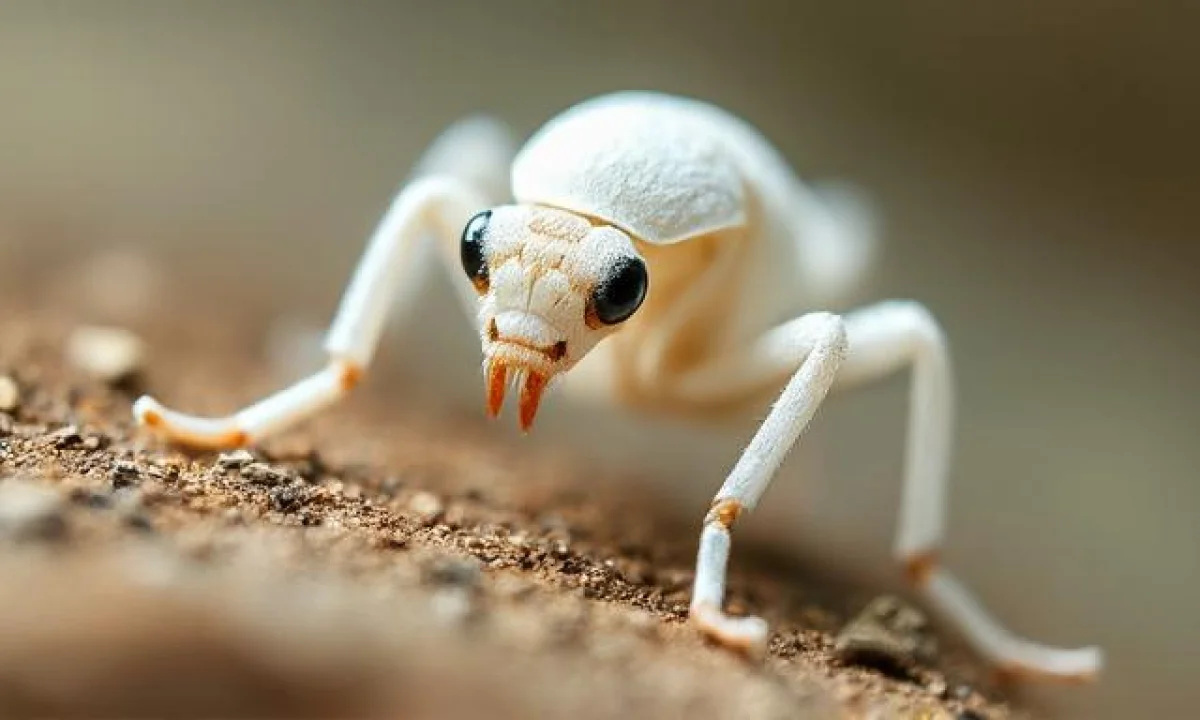
First things first: you’re not alone. Every year, thousands of UK households—from cosy terraces in Liverpool to modern flats in Birmingham—spot these little white pests. The good news? Most of them aren’t dangerous. The bad news? They’re all annoying, and some can do serious damage if you ignore them.
Here’s the breakdown of the most common culprits you’ll find in the UK:
- Booklice (Psocids) – Tiny (1-2mm), soft-bodied, and everywhere. They love damp, mouldy spots—think your bathroom grout, that leaky pipe under the sink, or the cardboard box in your garage that’s been sitting there since 2020.
- Clothes Moths (Larvae) – These aren’t the white bugs themselves, but their larvae are. You’ll spot them in your wardrobe, chewing through wool, silk, or that cashmere jumper you never wear but can’t bear to throw out.
- Grain Mites – If you’ve got flour, pet food, or birdseed lying around, these 0.5mm monsters are feasting on it. They thrive in warm, humid spots—so your kitchen pantry in summer? Perfect.
- Mealybugs – These white, cottony bugs love houseplants. If your fern or peace lily looks like it’s been dusted with powdered sugar, mealybugs are the reason. They’re also a pain to remove because they hide.
- Springtails – Jumping, tiny (1-2mm), and everywhere after rain. They’re harmless but a nuisance—especially if you’ve got houseplants or a damp basement.
- Whiteflies – If you’ve got indoor plants, these 1-2mm white flies might be sucking the life out of them. They’re a garden pest that’s made itself at home inside.
- Dust Mites – Not insects, but they’re white, tiny, and love your bedding. If you’re allergic, they’re the reason you’re sneezing like crazy.
- Termites (Rare but Possible) – If you live in a older home in the South of England (especially Sussex or Kent), termites can be an issue. They’re white, winged, and if you see them, call a professional now.
Still not sure which one you’ve got? Don’t panic. The next section will help you narrow it down—so you can stop guessing and start acting.
How to Identify Them: A Quick Checklist
Grab a magnifying glass (or your phone’s zoom) and ask yourself these questions:
- Are they jumping? → Springtails.
- Are they fuzzy and white, clustered on plants? → Mealybugs.
- Are they in your food (flour, pet food, birdseed)? → Grain mites.
- Are they in your wardrobe or fabrics? → Clothes moth larvae.
- Are they everywhere, especially in damp areas? → Booklice.
- Are they flying around houseplants? → Whiteflies.
- Grain mites love flour, birdseed, and pet food. If you’ve got a bag of kibble sitting open in the pantry, they’re already throwing a rave in there.
- Booklice thrive on damp cardboard—so that half-empty cereal box? Their new home.
- Mealybugs might hitch a ride on fresh produce. Ever brought home a bunch of bananas and found white fuzz on them a week later? That’s them.
Why Are They in Your Home? (And How to Stop Them)
Here’s the hard truth: those bugs didn’t just appear. They’re there because your home is giving them exactly what they need—food, water, and shelter. The question is, where are they getting it?
Let’s break it down by the most common hotspots in UK homes:
1. The Kitchen: Flour, Pet Food, and Forgotten Leftovers
Your kitchen is a bug buffet. And if you’re not careful, it’s an all-you-can-eat scenario.
What to do:
- Store dry goods in airtight containers (not the original packaging). Glass or hard plastic works best.
- Check pet food bags for holes or dampness. If it’s been open for more than a month, toss it.
- Wipe down shelves with vinegar or soapy water—bugs hate both.
- Fix any leaks under the sink. Dampness = bug magnet.
2. The Bathroom: Mould, Moisture, and Booklice Parties
Your bathroom is basically a tropical paradise for bugs—especially if you don’t ventilate properly. Booklice, springtails, and even clothes moths (if you’ve got damp towels or fabrics) love this environment.
Fun fact: A study by the UK’s Health and Safety Executive (HSE) found that 68% of UK homes have some level of mould or dampness—meaning two-thirds of households are at risk of booklice or springtail infestations. Not great odds.
What to do:
- Run the extractor fan for 20-30 minutes after showering. No fan? Crack a window.
- Wipe down tiles, grout, and shower curtains with bleach or mould killer (like HG or Cillit Bang) once a month.
- Keep towels and bath mats dry. Hang them up or toss them in the dryer weekly.
- Check for leaks around the bath and sink. A tiny drip can turn into a booklice breeding ground in as little as 48 hours.
3. The Wardrobe: Clothes Moths and Their Larvae
If you’ve got wool, silk, or that vintage fur coat you never wear, clothes moths are already eyeing it up. Their larvae are the tiny white bugs you’re seeing, and they will eat holes in your favourite jumper if you don’t act.
Here’s the kicker: A single female moth can lay up to 400 eggs in her lifetime. So if you’ve got one, you’ve got hundreds of potential larvae waiting to hatch.
What to do:
- Vacuum your wardrobe thoroughly. Pay attention to corners, folds, and under shelves.
- Wash or dry-clean wool, silk, and natural fabrics regularly. Heat kills moth eggs.
- Use cedar blocks or lavender sachets—moths hate the smell.
- Store off-season clothes in sealed plastic bins (not cardboard).
- Freeze infested items in a sealed bag for 48 hours. The cold kills eggs and larvae.
How to Get Rid of Them: Step-by-Step (No BS)
Alright, let’s get to the good stuff. You’ve identified the bug. You’ve found the source. Now it’s time to eliminate them. Here’s the exact plan:
Step 1: Remove the Food Source (Non-Negotiable)
Bugs don’t stick around if there’s nothing to eat. So your first move is to starve them out.
- Toss any infested food (flour, pet food, birdseed). Don’t try to save it.
- Seal all dry goods in airtight containers. No exceptions.
- Wash all fabrics (towels, clothes, bedding) in hot water (60°C or higher).
- Take out the trash—including recycling. Bugs love cardboard and paper.
Step 2: Deep Clean (They Hate This)
Bugs hide in cracks, crevices, and places you don’t think to look. So you’ve got to clean like you’re prepping for a health inspection.
- Vacuum everywhere—under furniture, behind appliances, in corners. Use a crevice tool for tight spots.
- Wipe down shelves, counters, and baseboards with soapy water or vinegar.
- Steam clean carpets and upholstery. Heat kills eggs and larvae.
- Check houseplants for mealybugs or whiteflies. Isolate infested plants and treat them separately.
Step 3: Use the Right Treatments (No Random Sprays)
This is where most people mess up. They grab the first bug spray they see and hope for the best. Don’t be that person. Different bugs need different treatments.
| Bug Type | Best Treatment | Where to Apply |
|---|---|---|
| Booklice | Diatomaceous earth (food-grade) or pyrethrin-based spray (like Bug Clear) | Damp areas, behind appliances, along baseboards |
| Clothes Moths | Freeze infested items (48 hours) or use cedar oil or lavender | Wardrobe, drawers, storage bins |
| Grain Mites | Toss infested food. Use food-grade diatomaceous earth in pantry | Pantry, pet food storage, birdseed bins |
| Mealybugs | Rubbing alcohol (70%+) on cotton bud or neem oil spray | Houseplant leaves, stems, soil |
| Springtails | Reduce moisture + boric acid powder (sparingly) | Basements, under houseplants, damp corners |
| Whiteflies | Yellow sticky traps + neem oil spray | Under plant leaves, near windows |
Pro Tip: If you’ve got a severe infestation (especially termites or clothes moths), don’t waste time. Call a UK pest control pro. A single treatment can cost £100-£300, but it’s cheaper than replacing damaged fabrics or dealing with a full-blown termite colony.
Step 4: Prevent Them from Coming Back
You’ve cleaned, treated, and starved them out. Now you’ve got to keep them out. Here’s how:
- Store food in airtight containers—always.
- Fix leaks and damp issues ASAP. Even a small drip can bring booklice back in weeks.
- Vacuum and dust regularly (weekly if you’ve had an infestation).
- Inspect new houseplants before bringing them inside. Quarantine them for a week.
- Use cedar or lavender in wardrobes and storage areas.
- Check second-hand furniture for signs of infestation before bringing it in.
And here’s the biggest prevention tip: act fast. The longer you wait, the worse it gets. A few booklice today can turn into hundreds in a month if you ignore them.
So there you have it. No more guessing. No more Googling random bug names at 2 AM. You’ve got the exact steps to identify those tiny white invaders, kick them out, and keep them gone.
Here’s your action plan, summarised:
- Identify the bug (use the checklist above).
- Find the source (food, dampness, fabrics).
- Remove it (toss infested items, seal food, dry out damp spots).
- Clean deeply (vacuum, wipe, steam).
- Treat with the right method (diatomaceous earth, neem oil, freezing, etc.).
- Prevent (store food properly, fix leaks, inspect new plants/furniture).
If you’ve still got bugs after two weeks of this, it’s time to call a pro. Don’t wait until it’s a full-blown nightmare.
Now go grab that vacuum, toss the infested flour, and get to work. Your home—and your sanity—will thank you.
What are tiny white bugs in my house?
Tiny white bugs in your house are often pests like dust mites or whiteflies. They can thrive in damp areas, especially if there’s food around. If you spot them, it’s best to tackle the issue quickly to prevent an infestation.
What are very tiny white bugs that look like dust?
Very tiny white bugs that look like dust are likely dust mites. They’re common in homes, especially in bedding and carpets. Regular cleaning and using allergen-proof covers can help reduce their population.
What are very tiny white bugs that fly?
Very tiny white bugs that fly could be fruit flies or whiteflies. They’re attracted to food and moisture. Keeping your kitchen clean and sealing food can help keep them at bay.
What are tiny white bugs in the kitchen?
Tiny white bugs in the kitchen are usually pantry pests like weevils or flour mites. They can infest food items. Check your cupboards and dispose of any contaminated food to stop them from spreading.
What are tiny white bugs on clothes and skin?
Tiny white bugs on clothes and skin might be fabric pests or even scabies mites. If you notice bites or irritation, it’s wise to see a doctor. Regular washing and vacuuming can help keep your clothes bug-free.
How to get rid of tiny white bugs that look like dust?
To get rid of tiny white bugs that look like dust, start by vacuuming regularly and washing bedding in hot water. Using a dehumidifier can also help reduce their habitat. Consider consulting a pest control expert if the problem persists.
Do tiny white bugs in the house bite?
Yes, some tiny white bugs in the house do bite, like certain types of mites. If you’re experiencing bites, it’s crucial to identify the bug and take action. Keeping your home clean and treating infested areas can help.